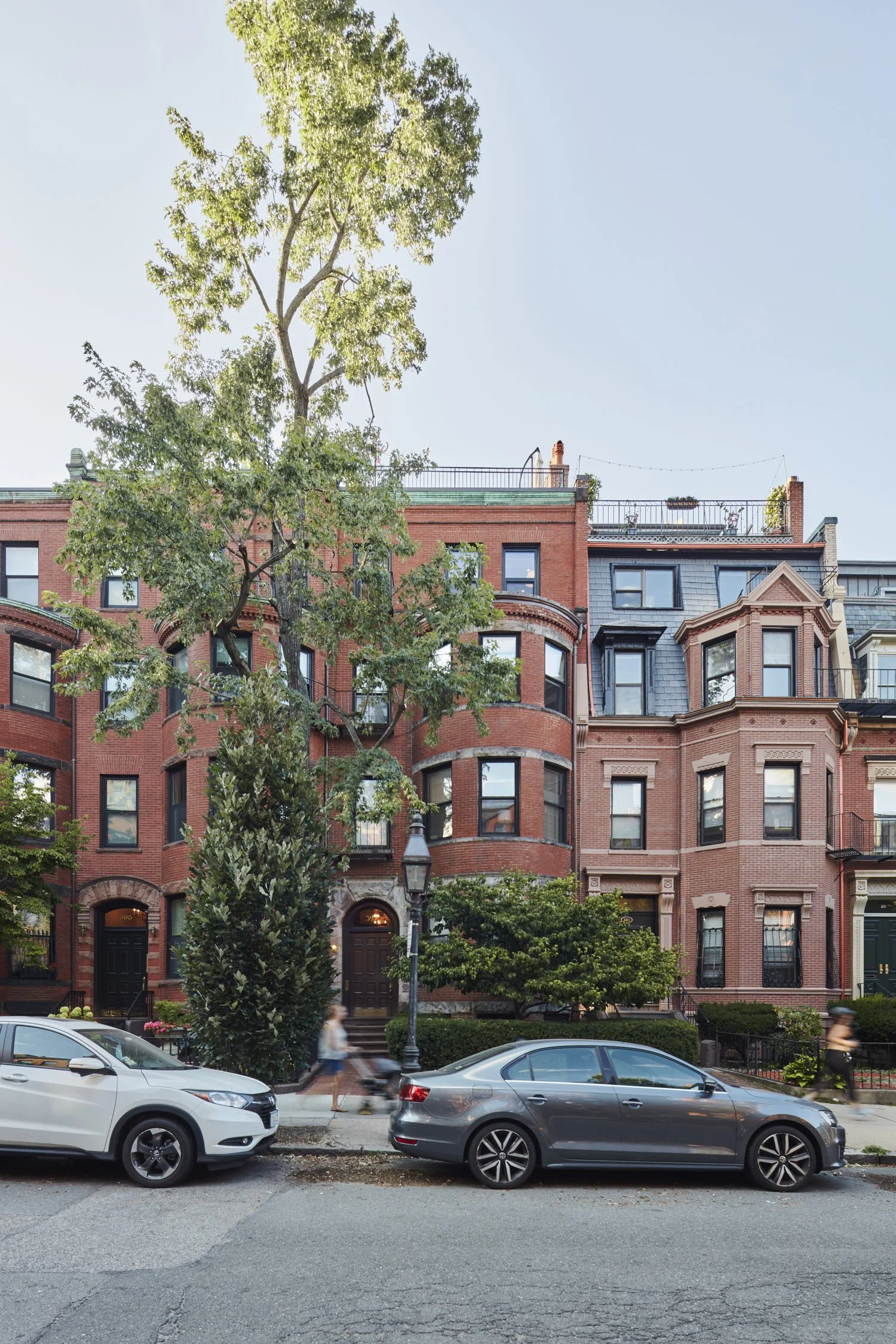
DANEHY DWELLING
-
2018 | Cambridge, Massachusetts
3,880 SF | 4 Bedrooms | 3 ½ Bathrooms
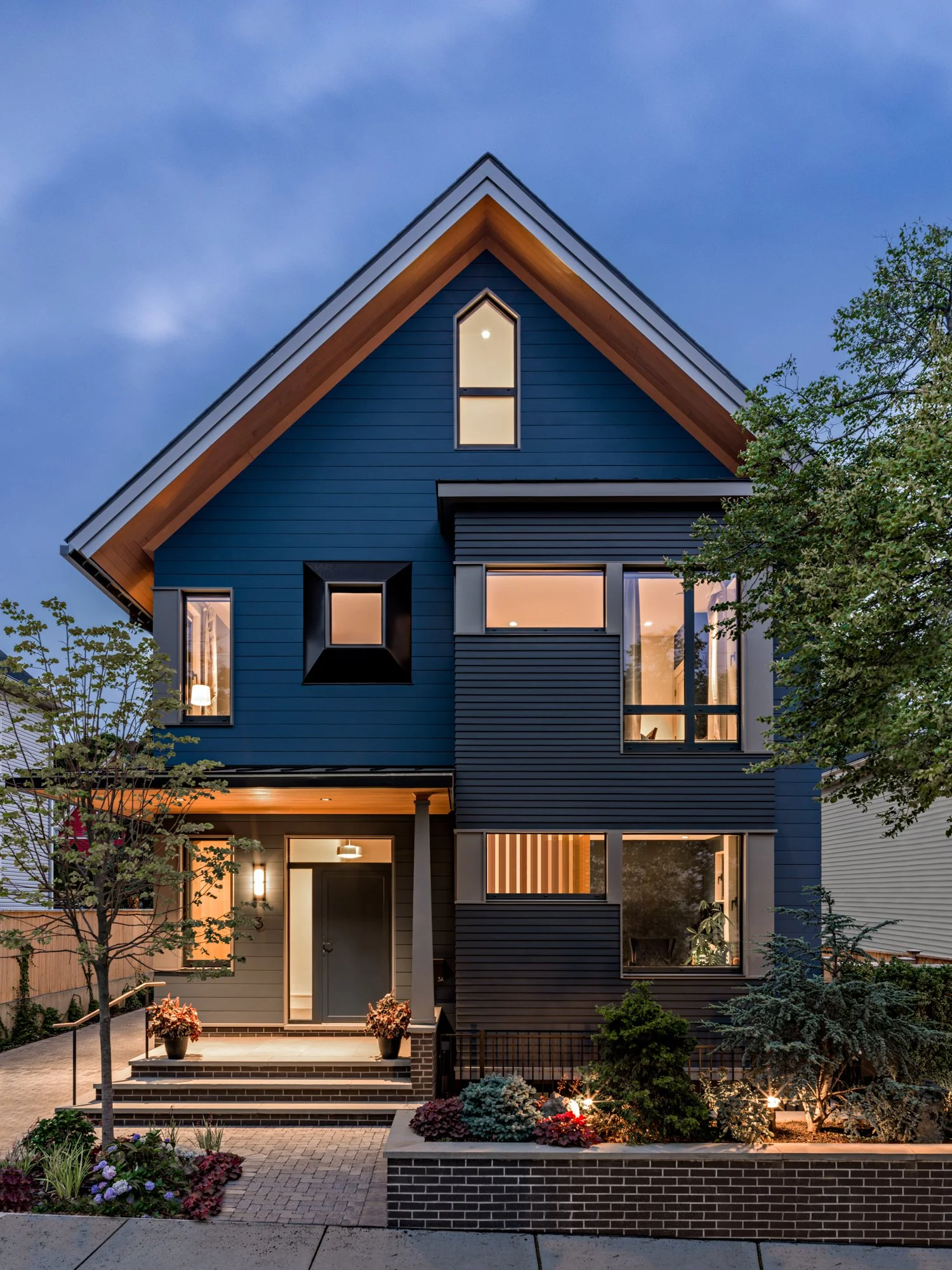
PHIUS+ | LEED Platinum | Net PositiveDanehy Dwelling is a new single-family urban infill residence in Cambridge and the first certified Passive House and LEED Platinum in Cambridge. It was also the firm’s first net-positive home — designed to produce enough energy to support the house, electric vehicles, and surplus capacity over the year.
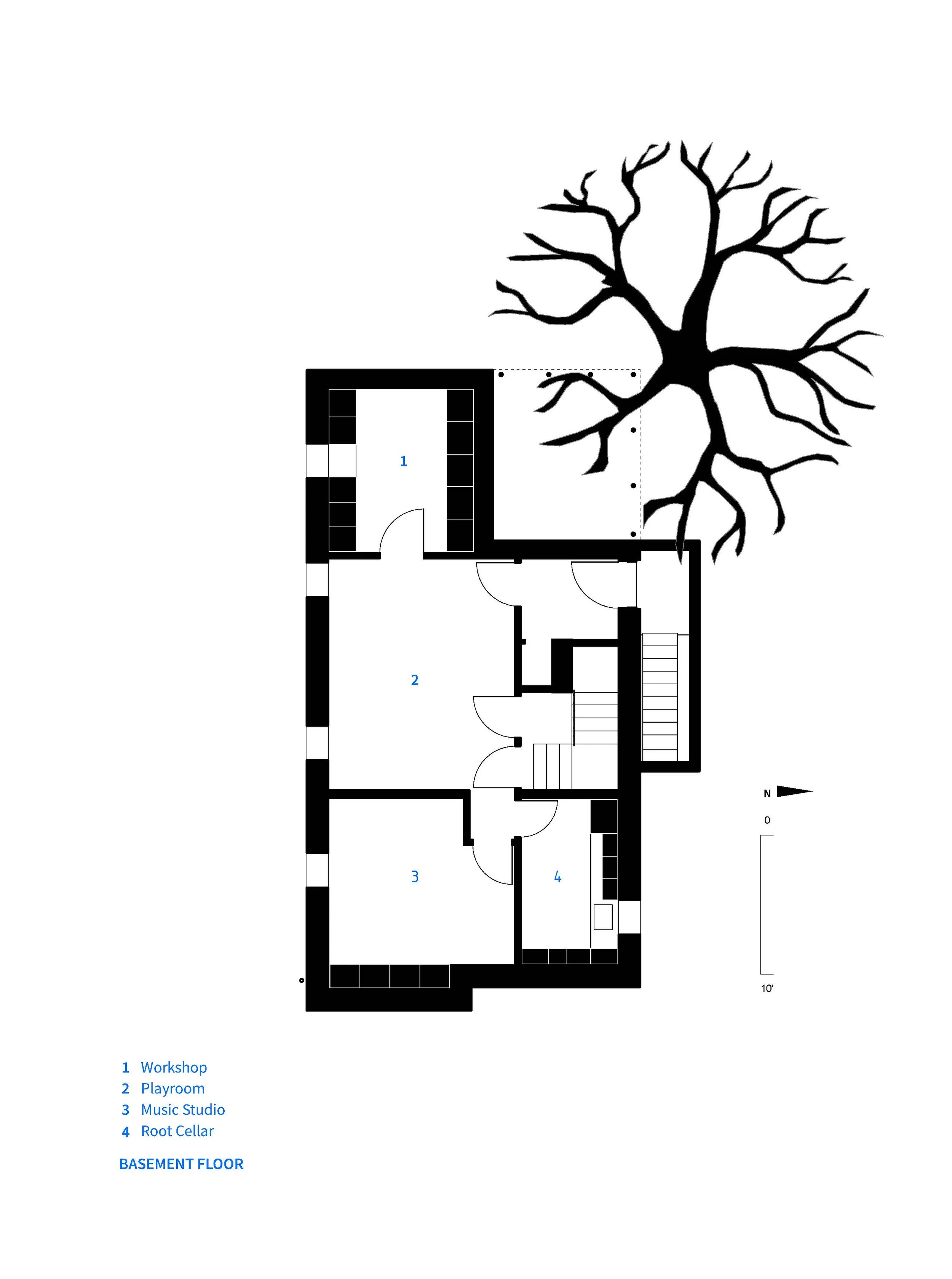
Built as a family legacy home, the project paired long-horizon durability and comfort with disciplined operating cost. The work was shaped by real constraints: an extremely high water table with a finished basement requirement, a foundation designed around a 120-year-old tree and root system, and a strict budget that demanded performance through integration rather than excess.
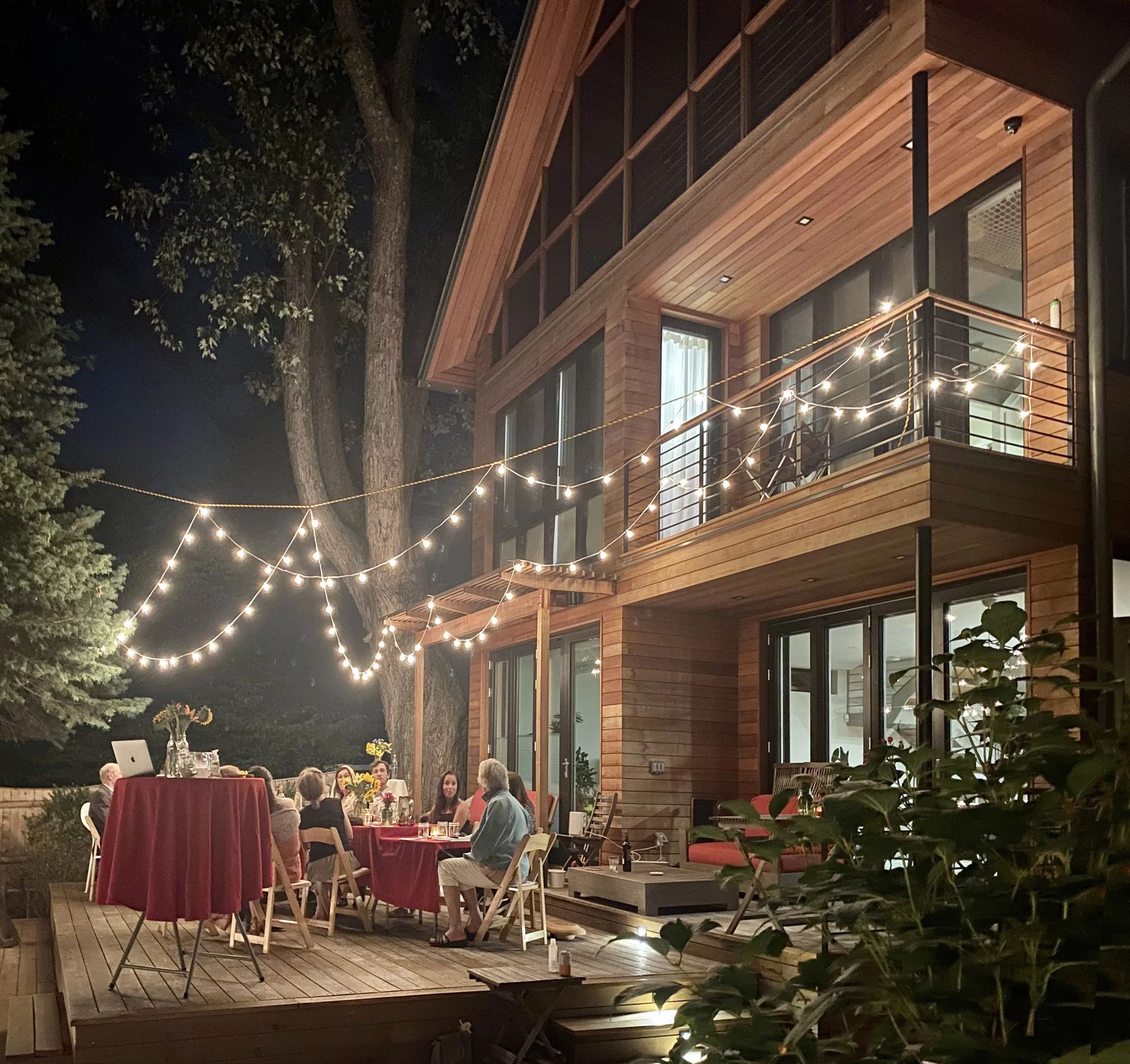
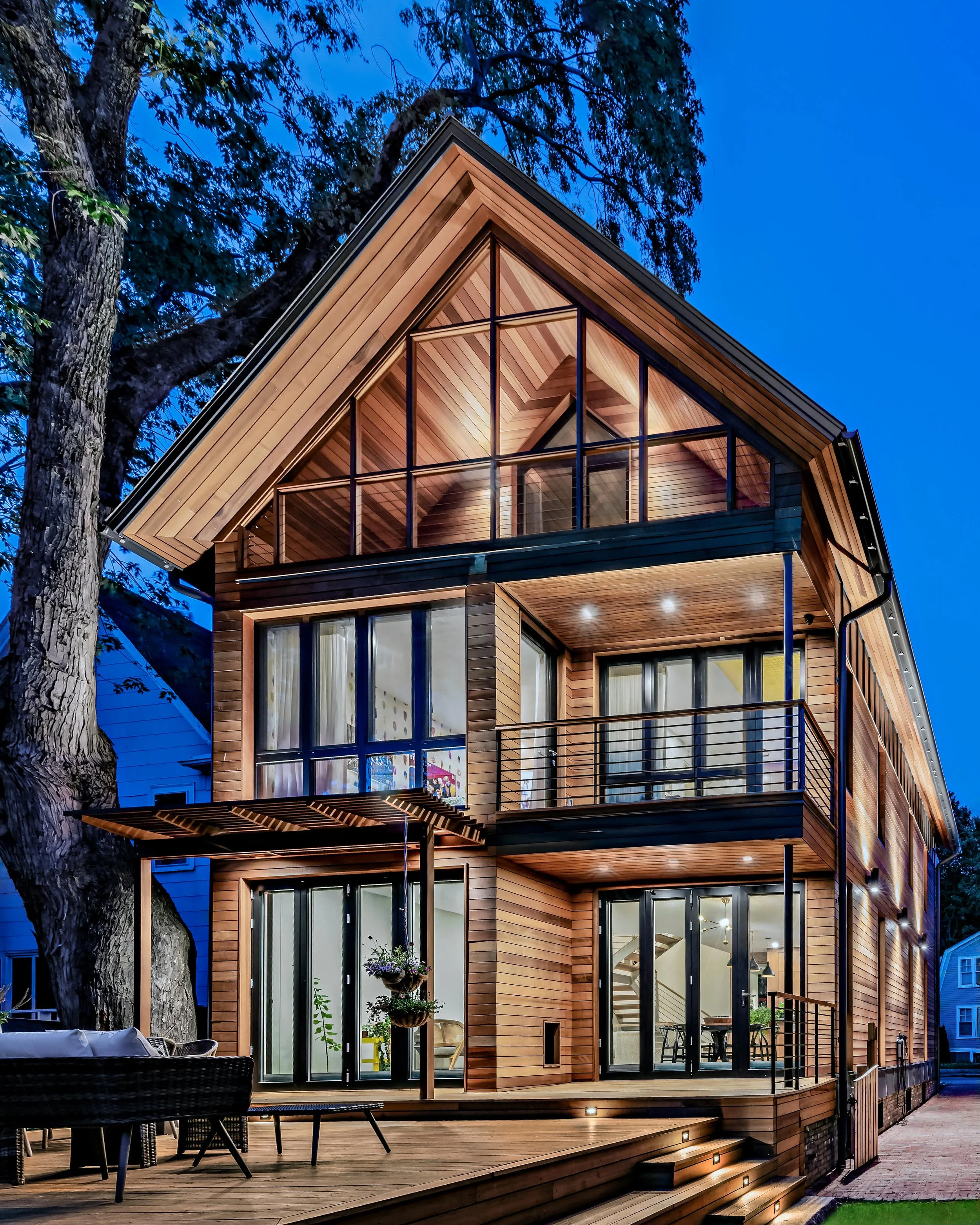
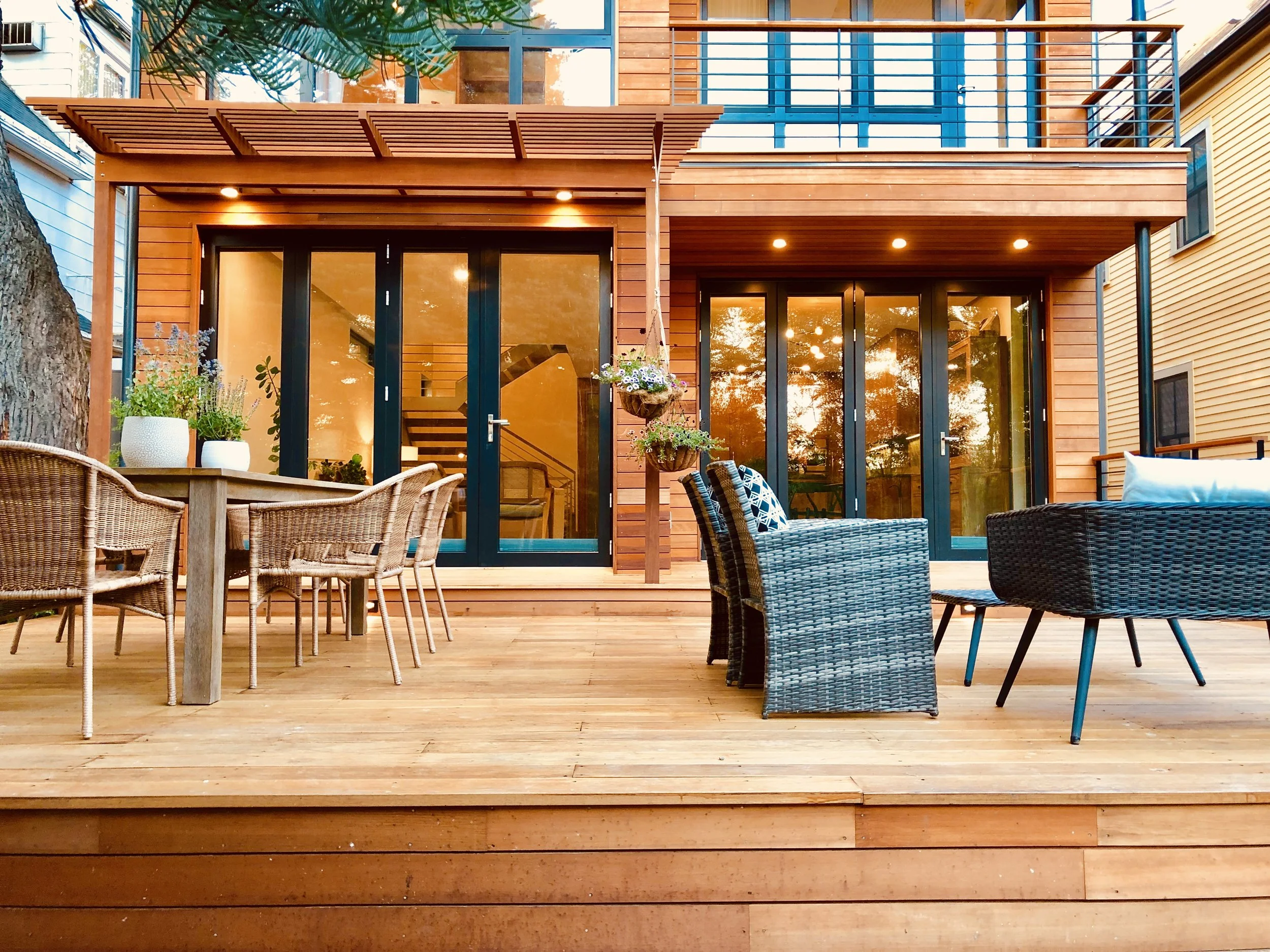
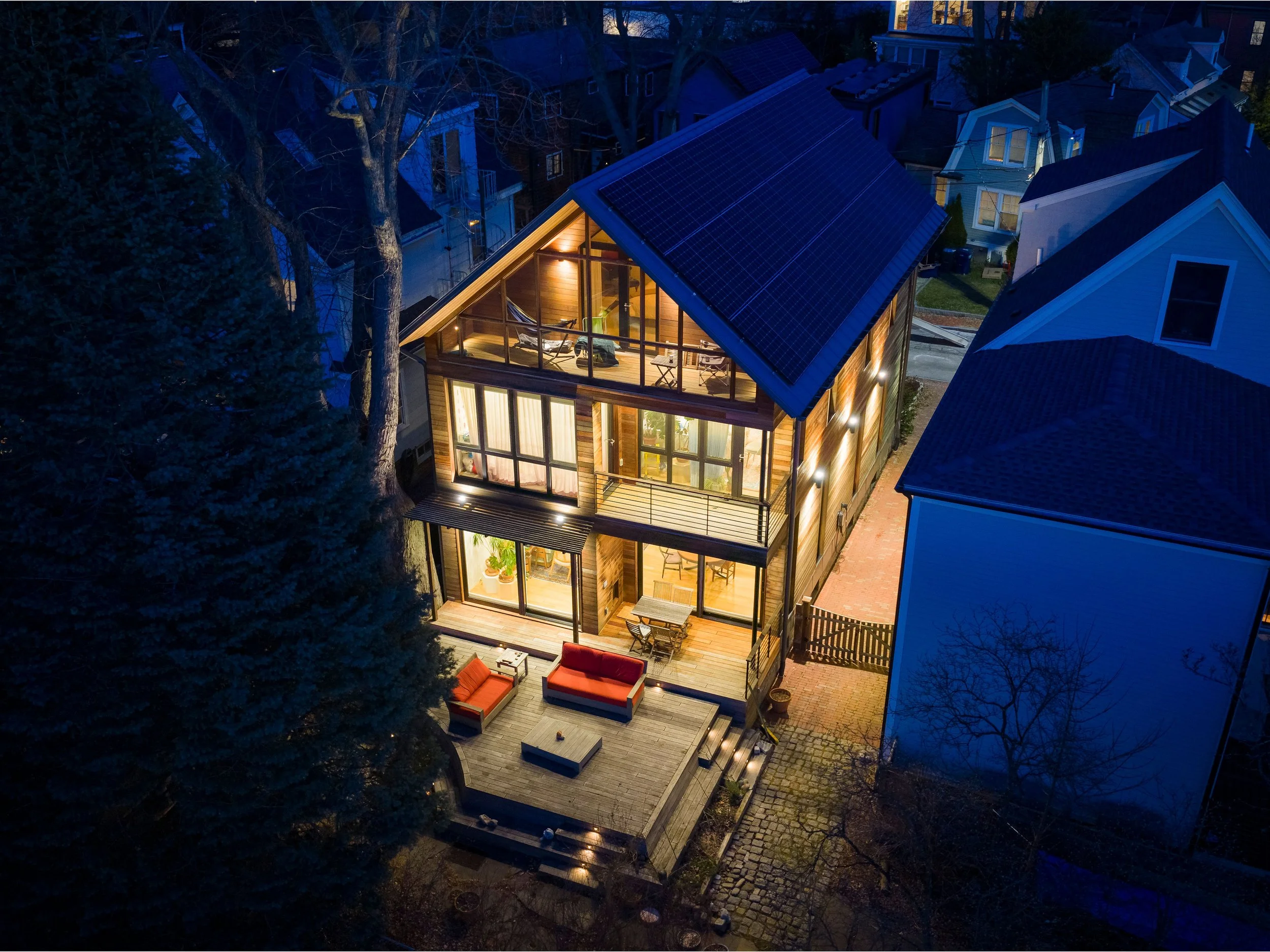
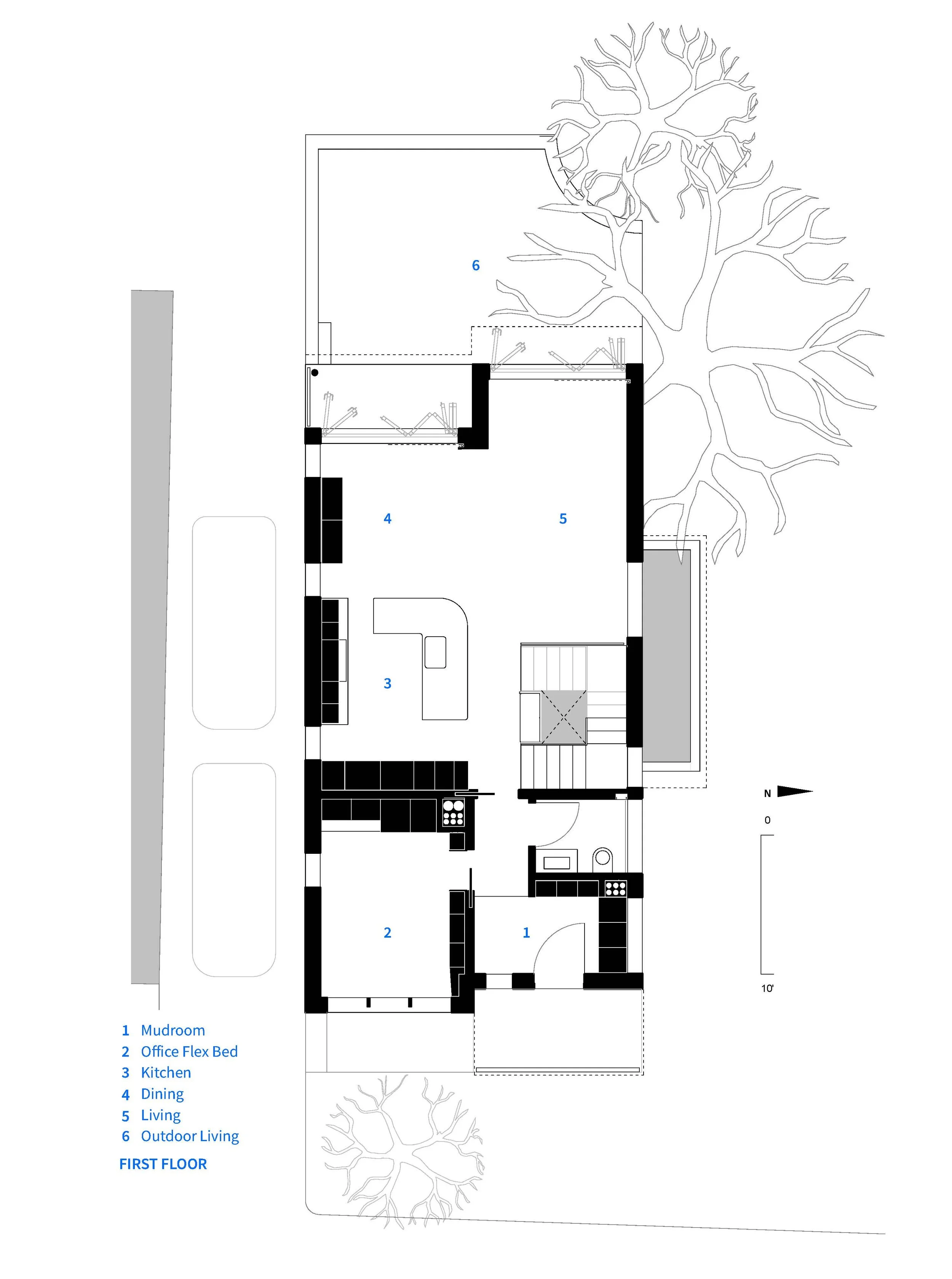
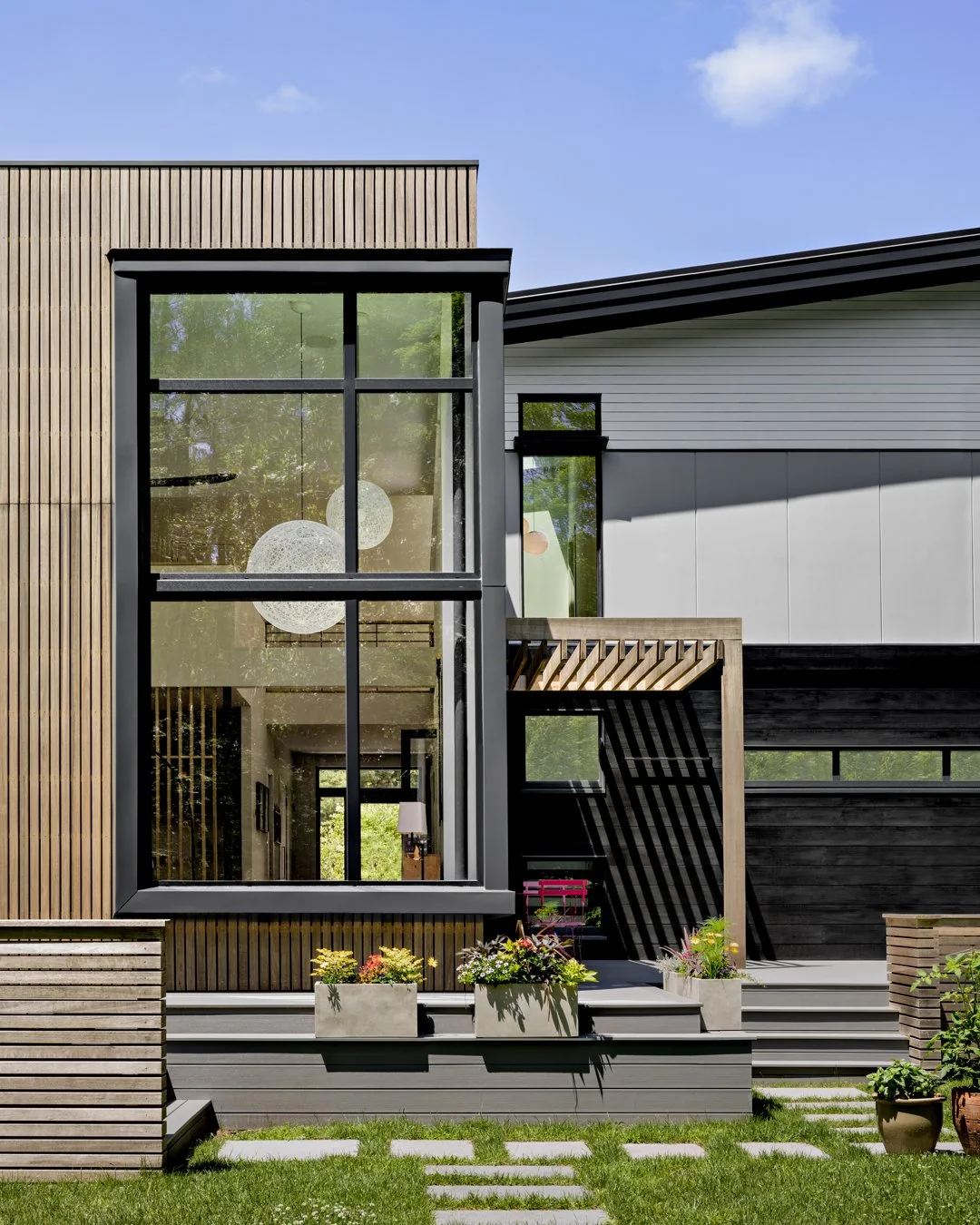
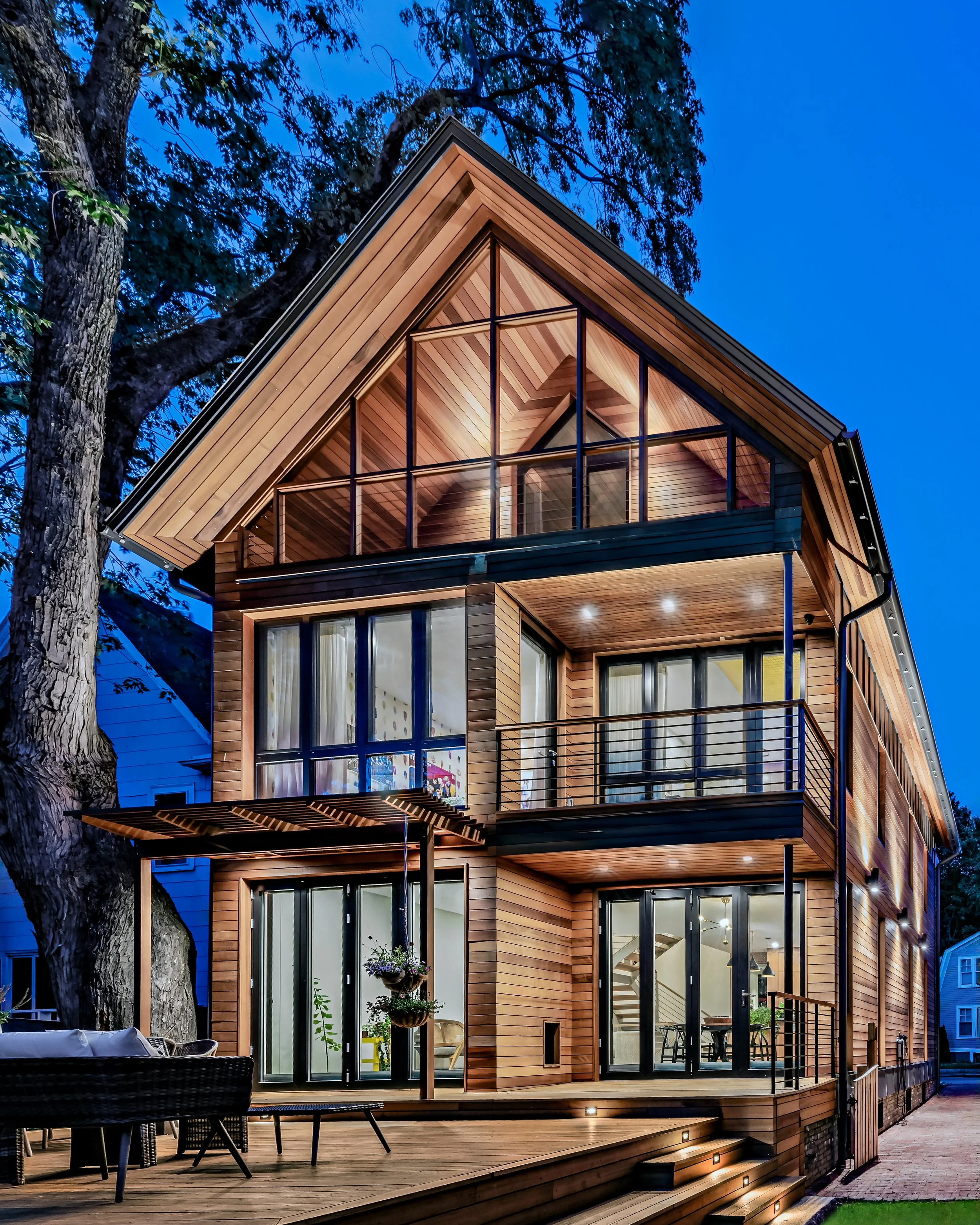
Architecturally, the home remains grounded in Cambridge’s residential typology while pushing performance well beyond conventional practice. A fully glazed western façade — difficult to execute within Passive House — was resolved through calibrated overhangs and subtle bays that temper intense afternoon sun while preserving light, openness, and spatial richness.
-
The site presented layered constraints. An extremely high water table required a carefully engineered foundation strategy to support finished basement space. The rear of the foundation was designed around a 120-year-old tree and root system, demanding precision in both excavation and structural planning. The project was also deeply budget sensitive, requiring performance to be achieved through disciplined integration rather than excess.
-
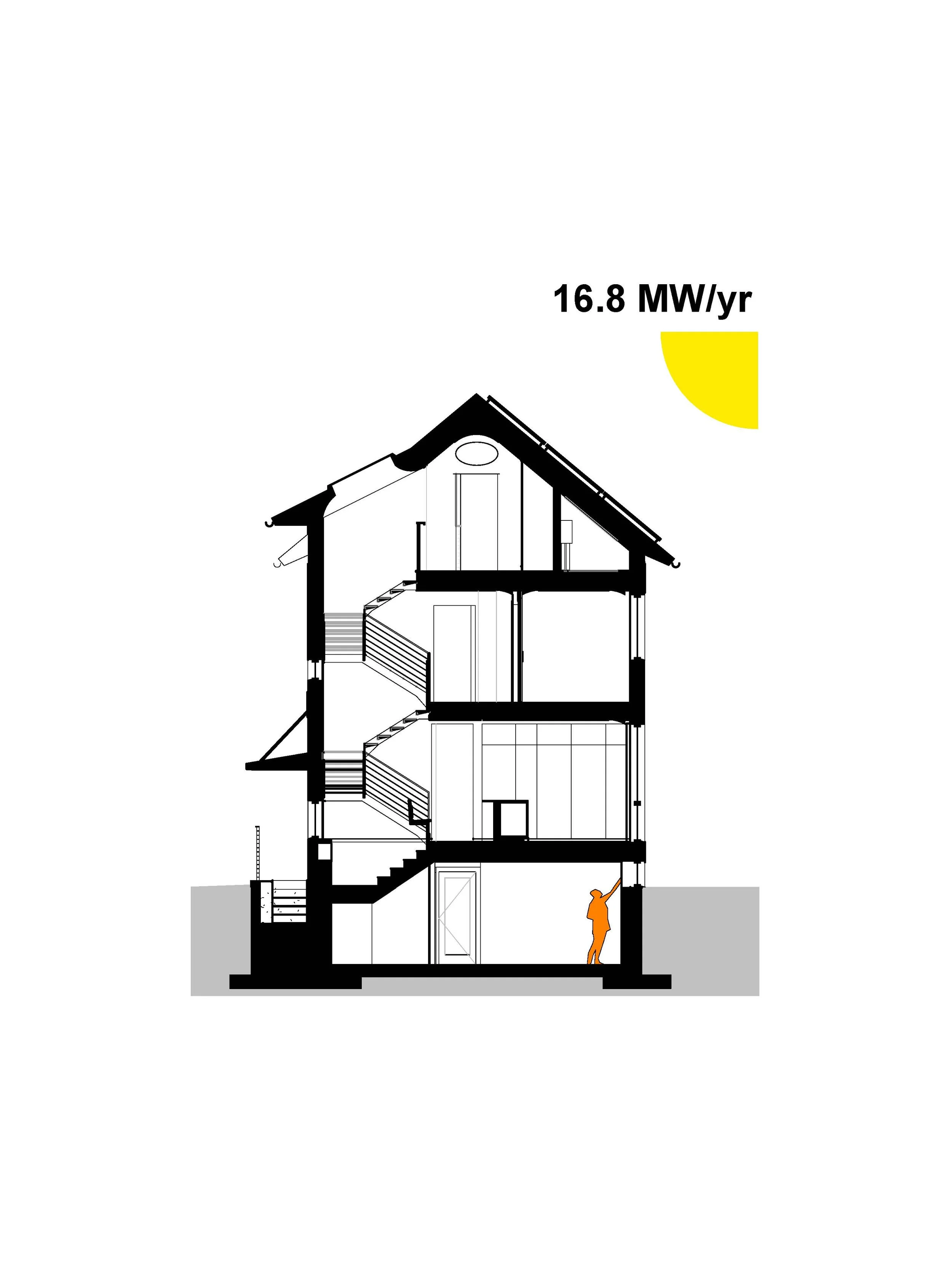
Danehy Dwelling was designed and built as a fully electric residence with exceptionally low loads, supported by advanced heating, cooling, ventilation, and domestic hot water systems. The strategy was simple: reduce demand first, then meet remaining loads with on-site generation.
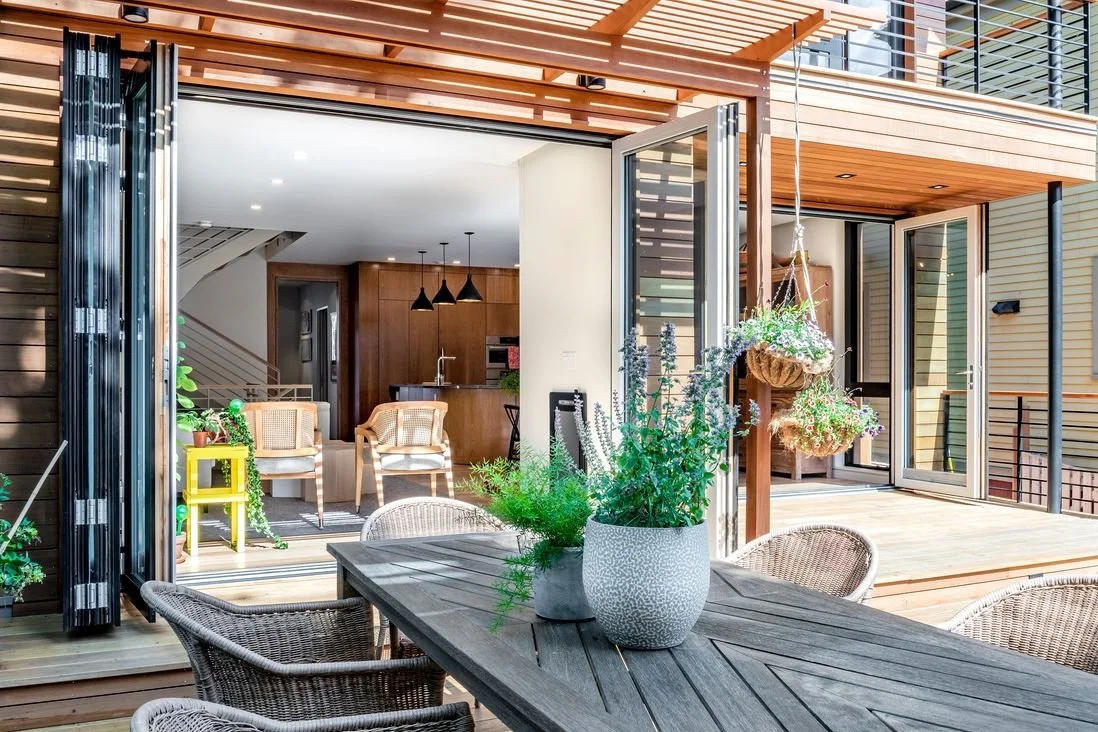
Architecturally, the home remains grounded in Cambridge’s residential typology while pushing performance well beyond conventional practice. A fully glazed western façade — difficult to execute within Passive House due to overheating risk — was made possible through calibrated overhangs and subtle projecting bays that temper afternoon sun while preserving light and openness. Solar control and architectural expression were developed together, allowing transparency without performance penalty.
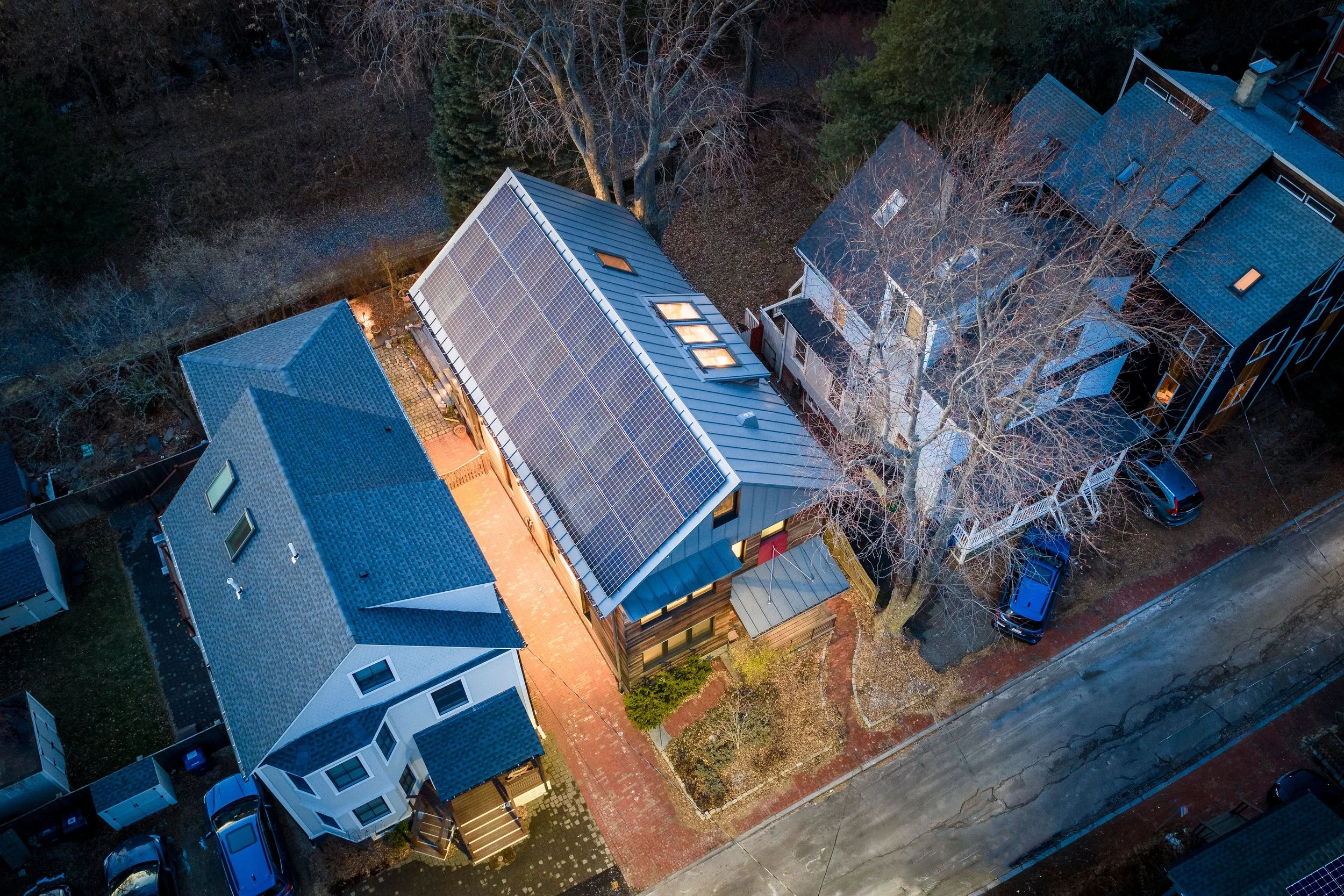
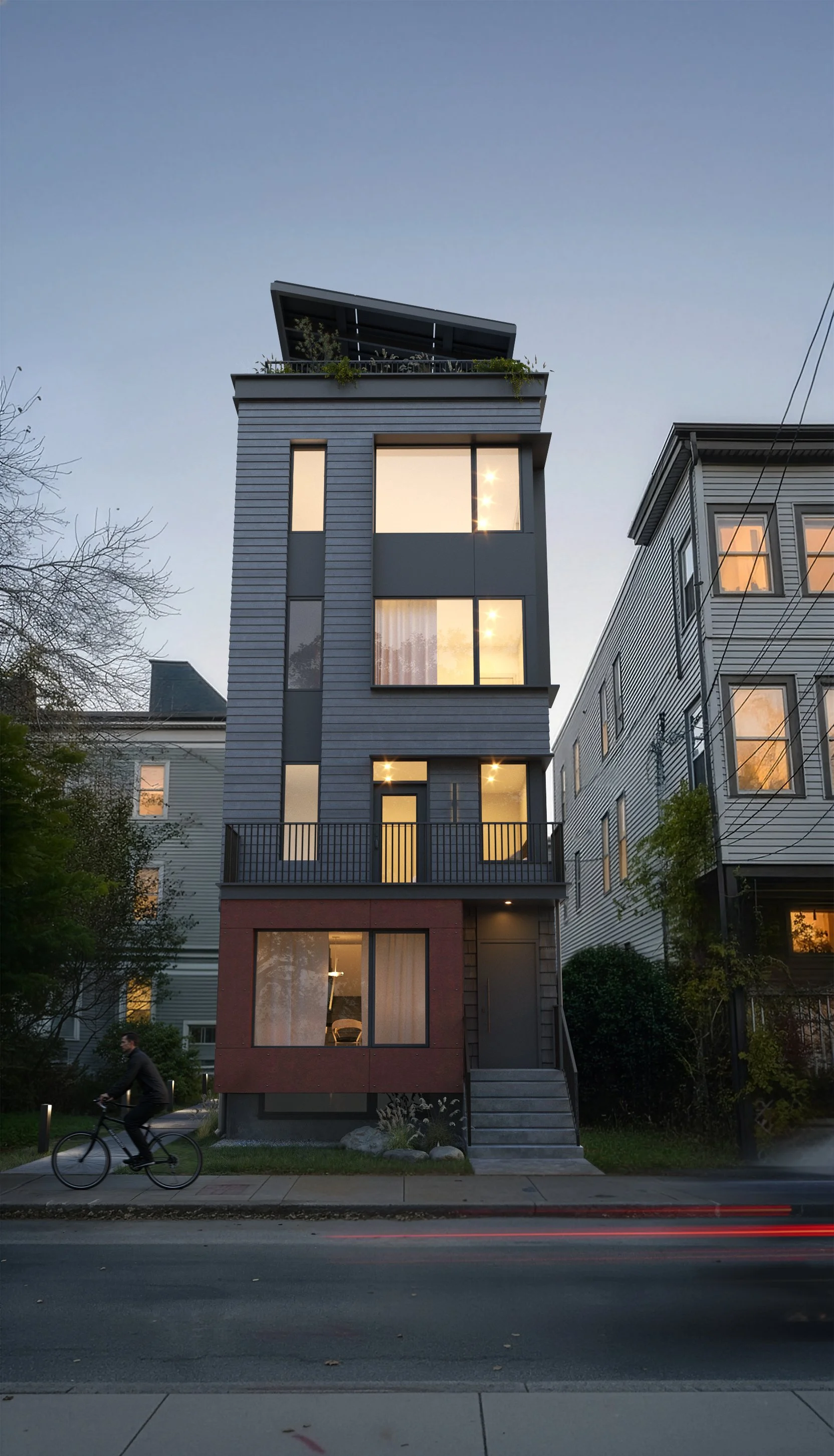
Net-positive production was integrated into the architecture rather than treated as an upgrade. Roof geometry and solar strategy were aligned so the home could function as an energy-producing system for living and transportation — supporting resilience and long-horizon savings for the family.
-
As Group Design Build’s first certified Passive House and LEED Platinum project, Danehy Dwelling demanded exceptional coordination. The integrated design-build structure made that possible, aligning performance requirements with constructability and sequencing from the outset.
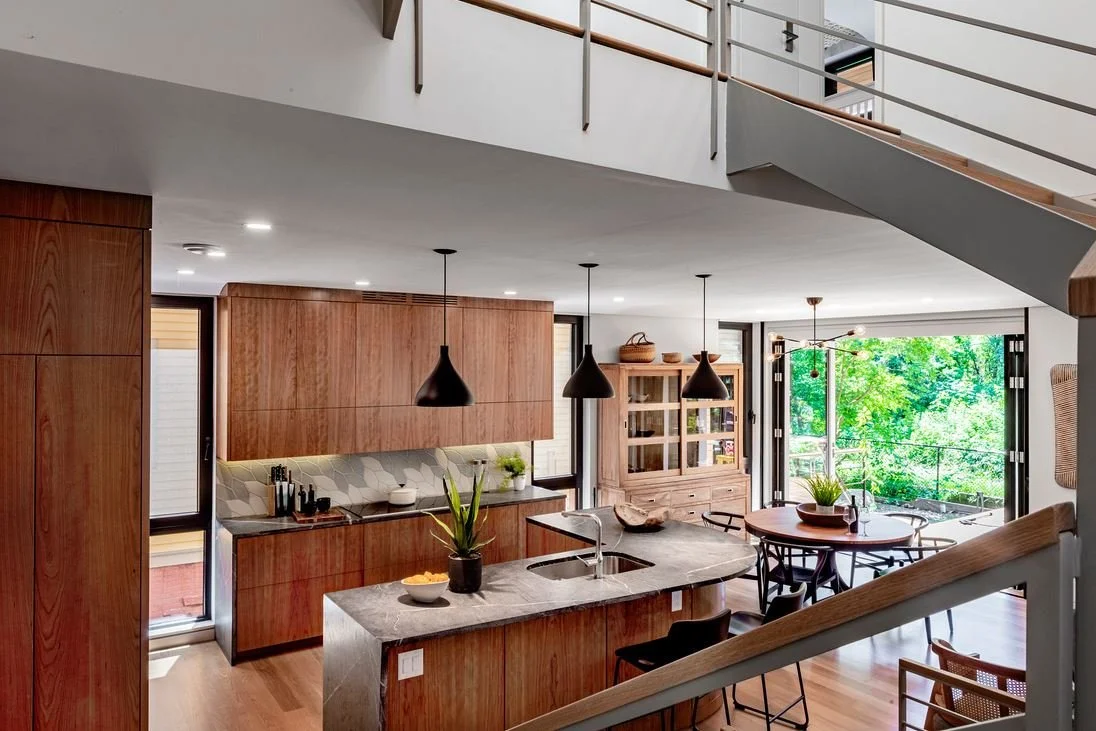
Fully coordinated shop drawings allowed mechanical and ventilation systems to be embedded within floor assemblies, avoiding the soffits and chases that typically compromise interior volumes in high-performance homes. This integration protected spatial clarity while meeting stringent performance targets.
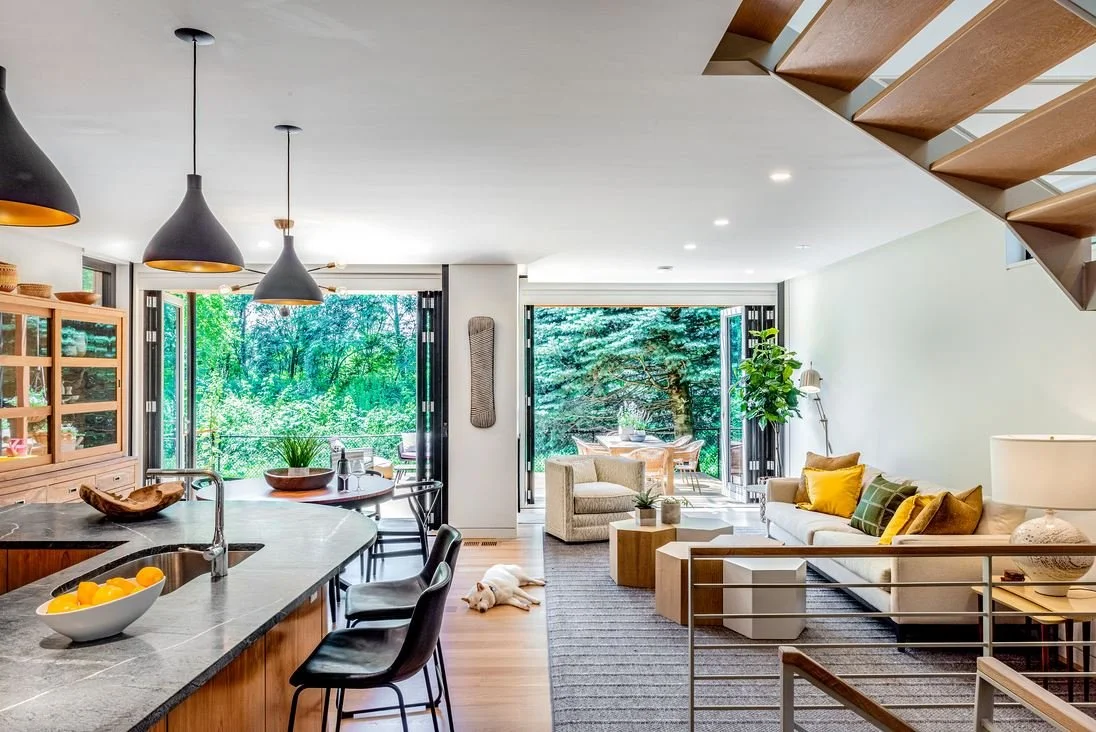
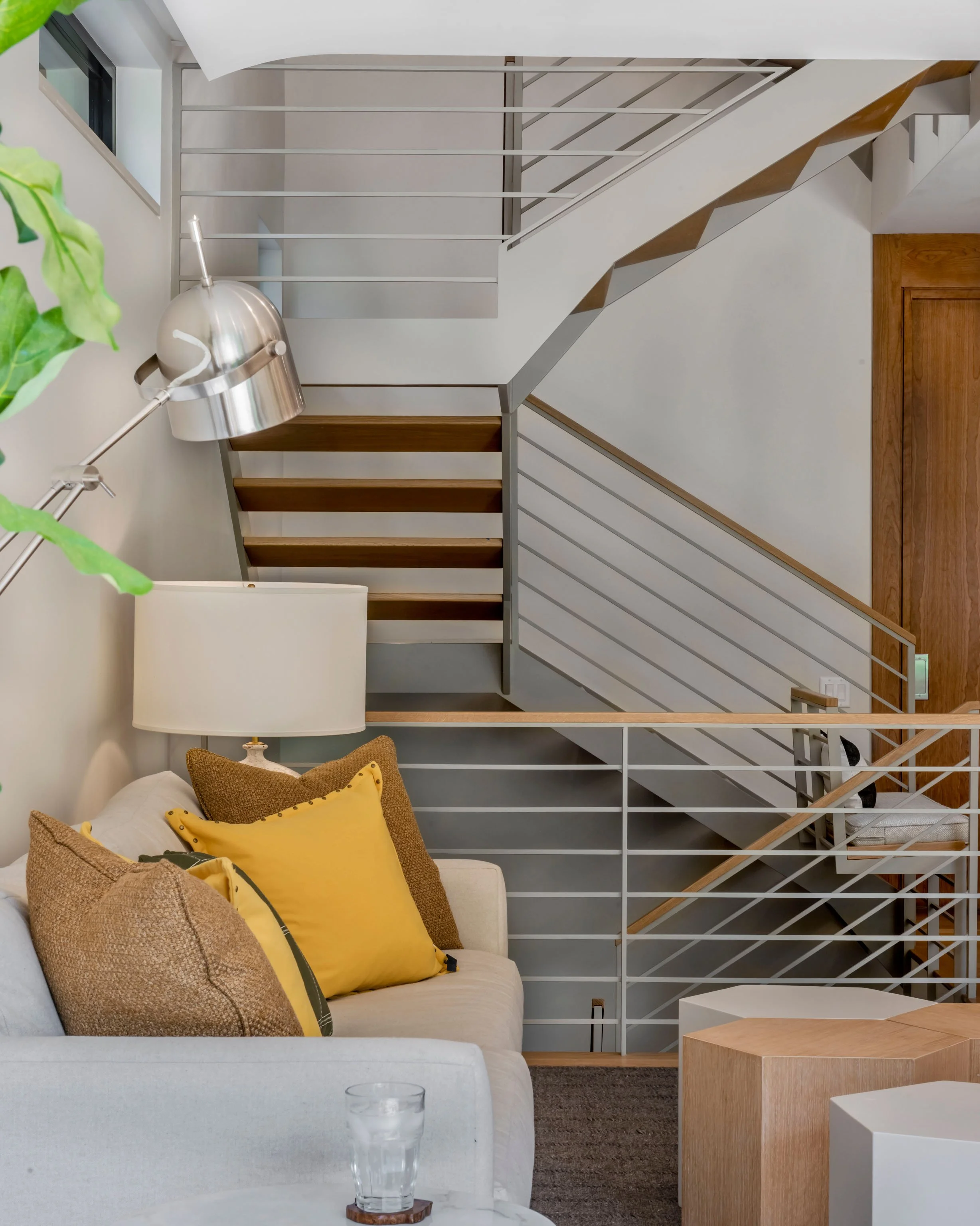
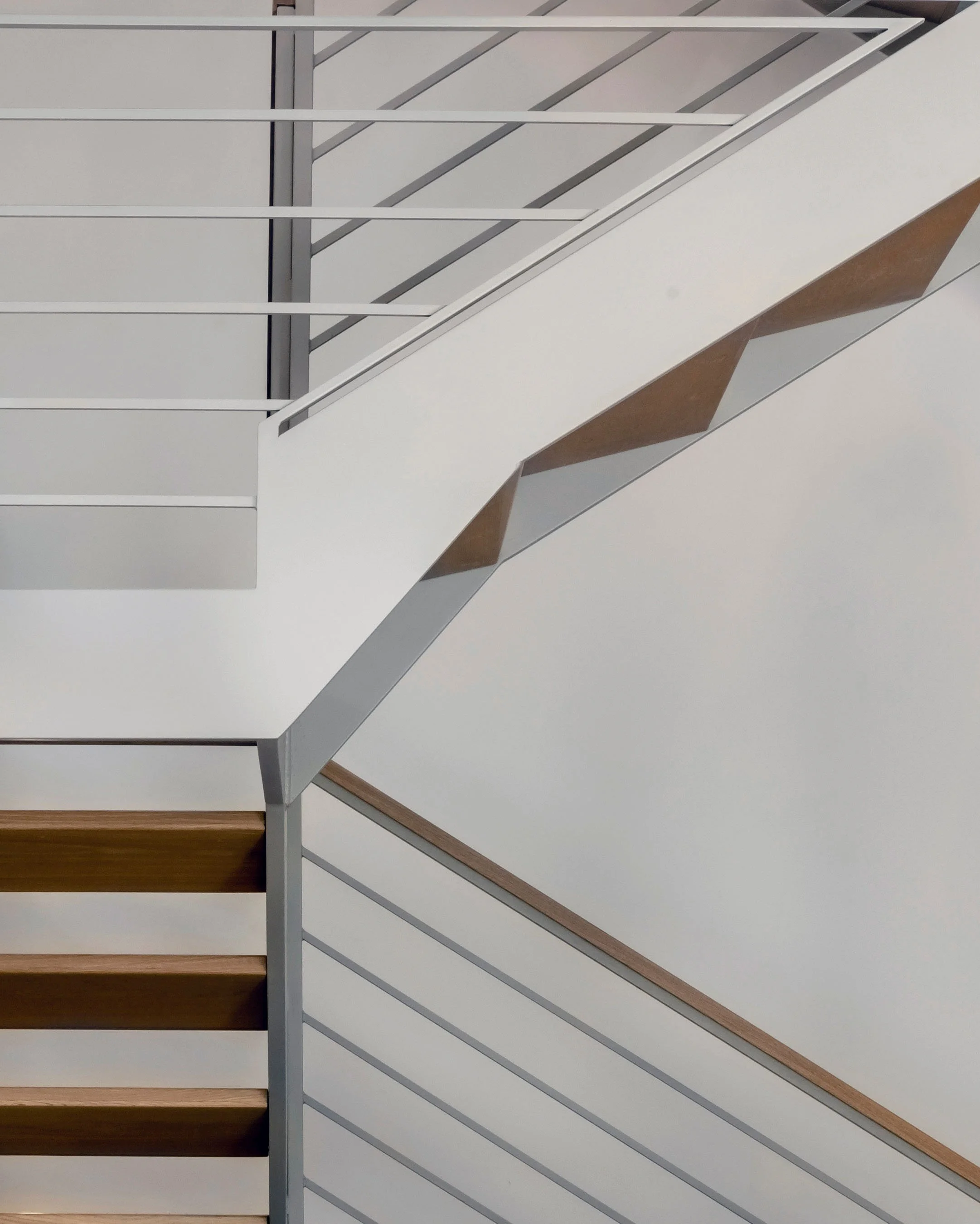
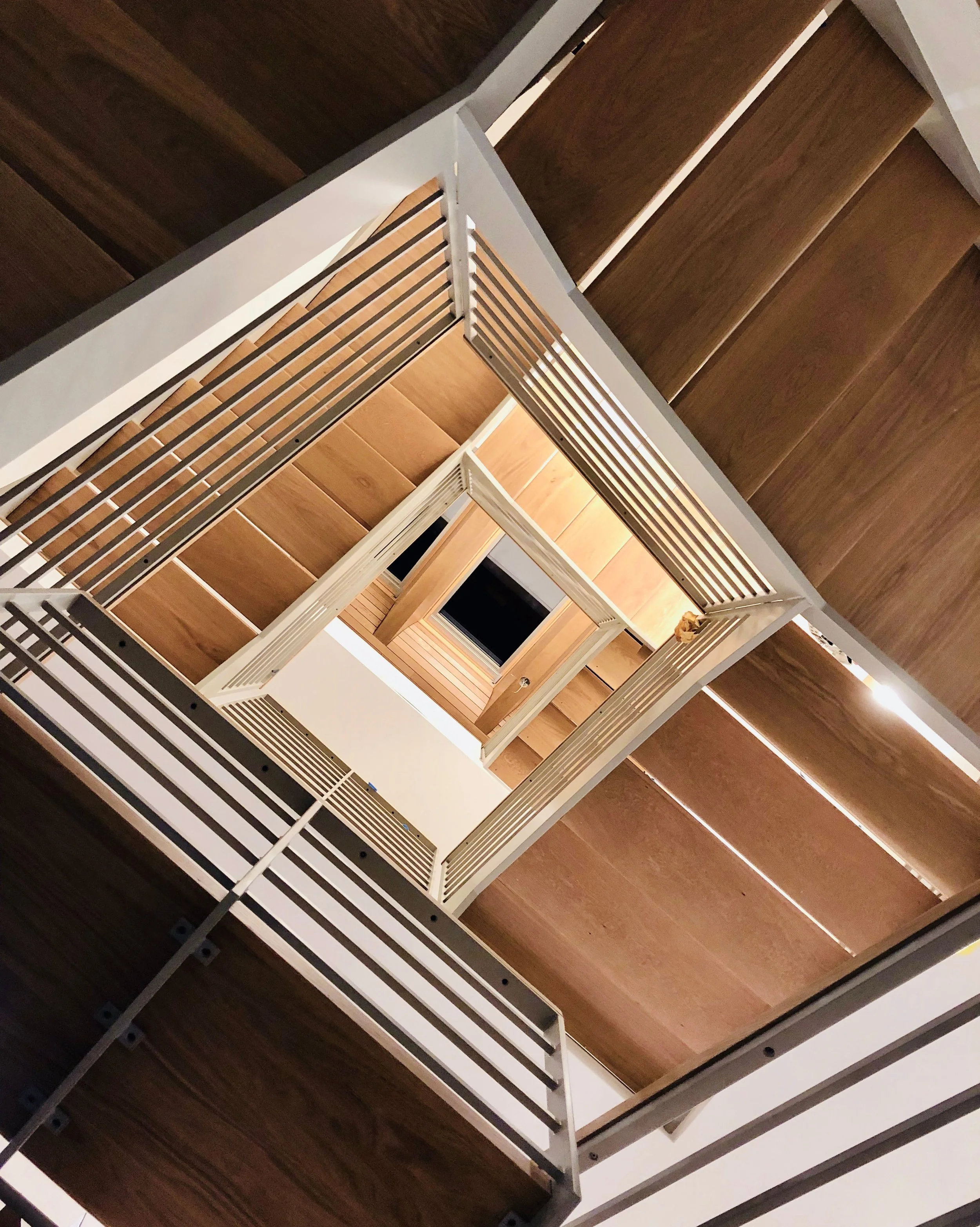
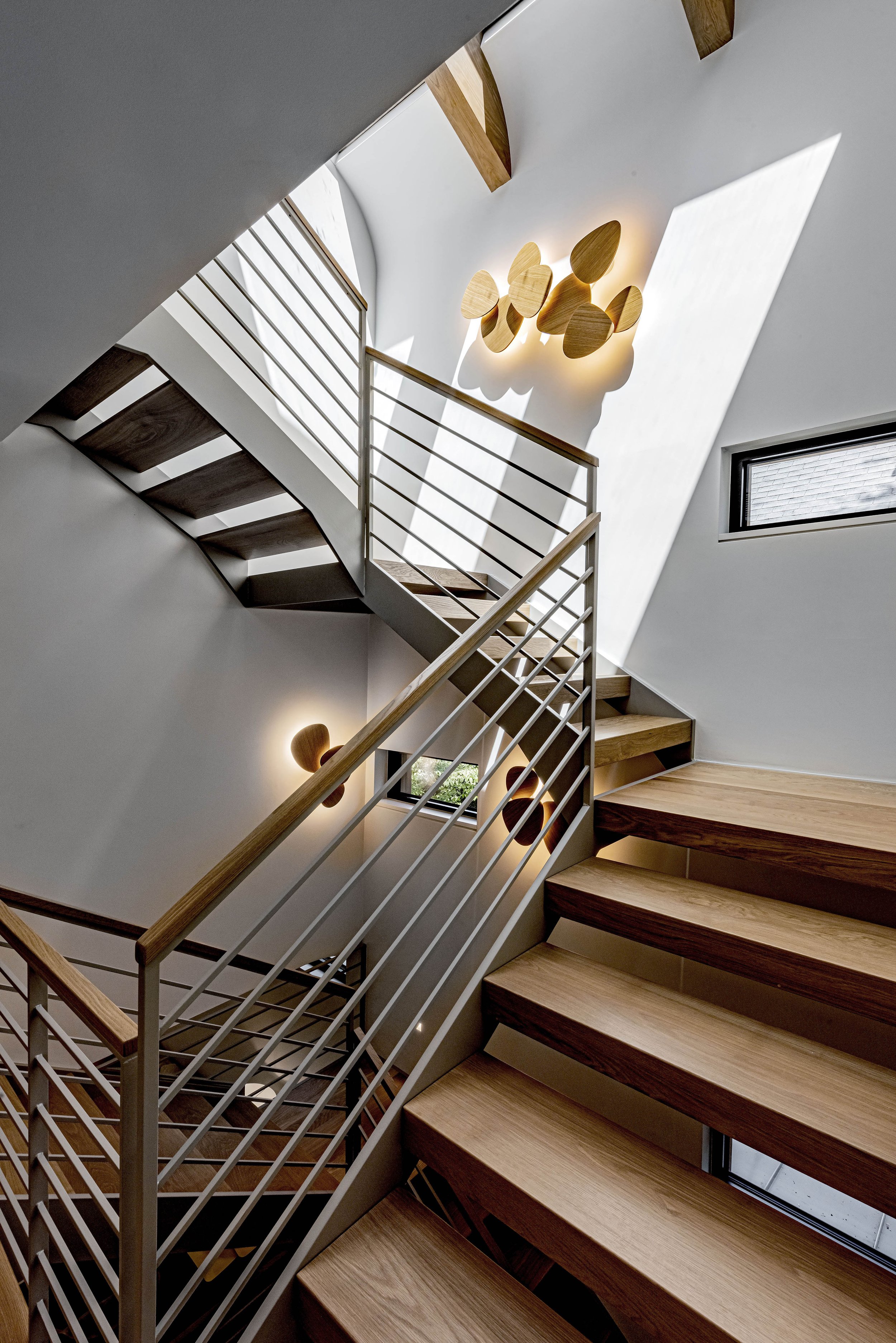
Design-build also enabled internal design and engineering collaboration to fabricate and install an elegant post-free steel staircase — an architectural element that would likely have been cost-prohibitive under a fragmented delivery model.
-
Danehy Dwelling proved that clients should not have to choose between elegance and performance — or accept major budget escalation to achieve both. It demonstrated that Passive House and LEED Platinum standards can be delivered with architectural clarity and financial discipline when design and construction are unified under one accountable team.
More broadly, it established a direction for Group Design Build: near off-grid, fully electric homes that function as efficient power plants — delivering comfort, resilience, and generational savings through radically reduced operating costs.
-
We built our family home with Group Design Build; it was a huge undertaking as we wanted a sustainable house that would accommodate our many varied interests and needs. They were a delight to work with! Tagore and the team were able to take our goals and turn them into a true vision of sustainable architecture. Our house fits well in our neighborhood despite being much newer than the Victorian houses nearby.
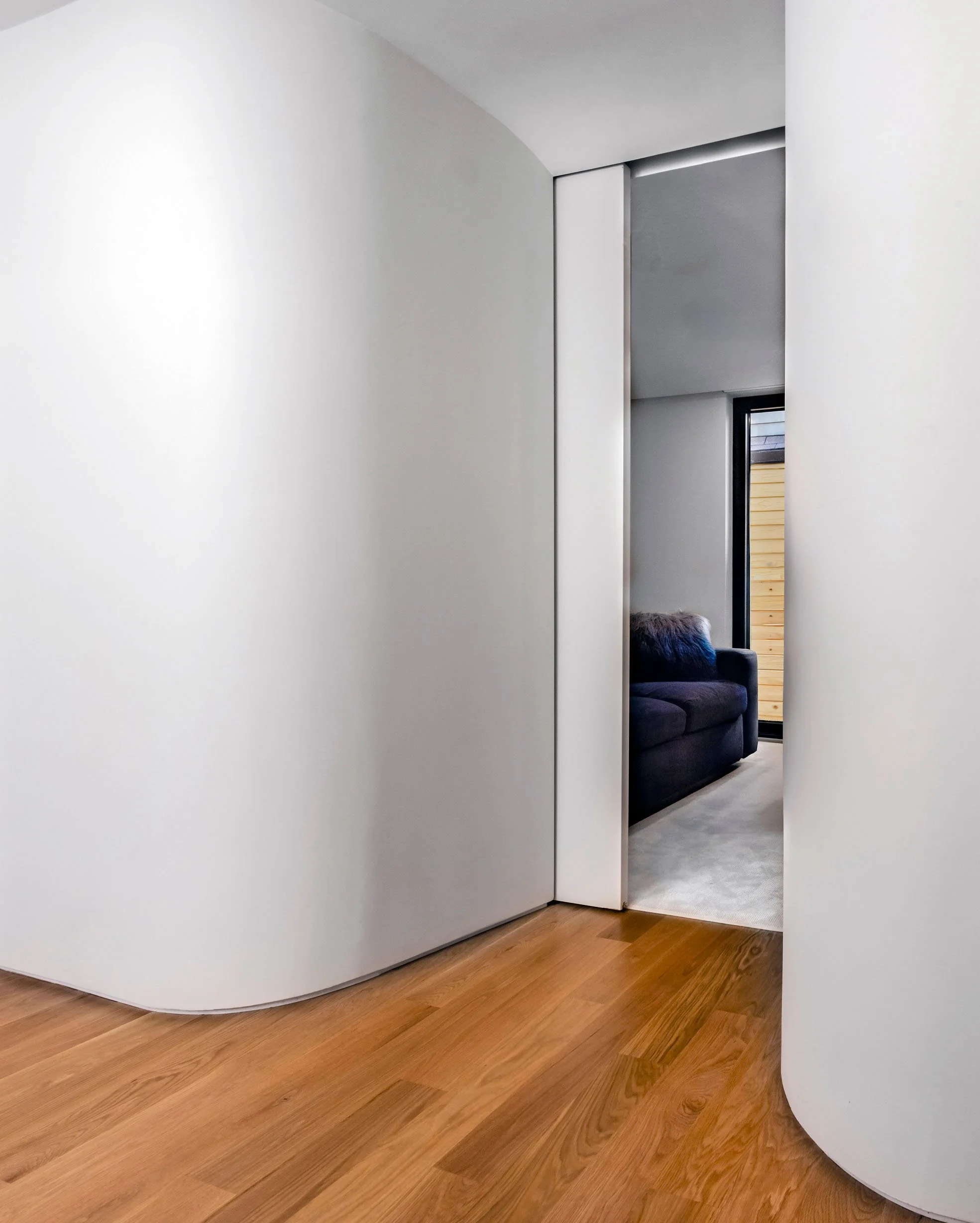
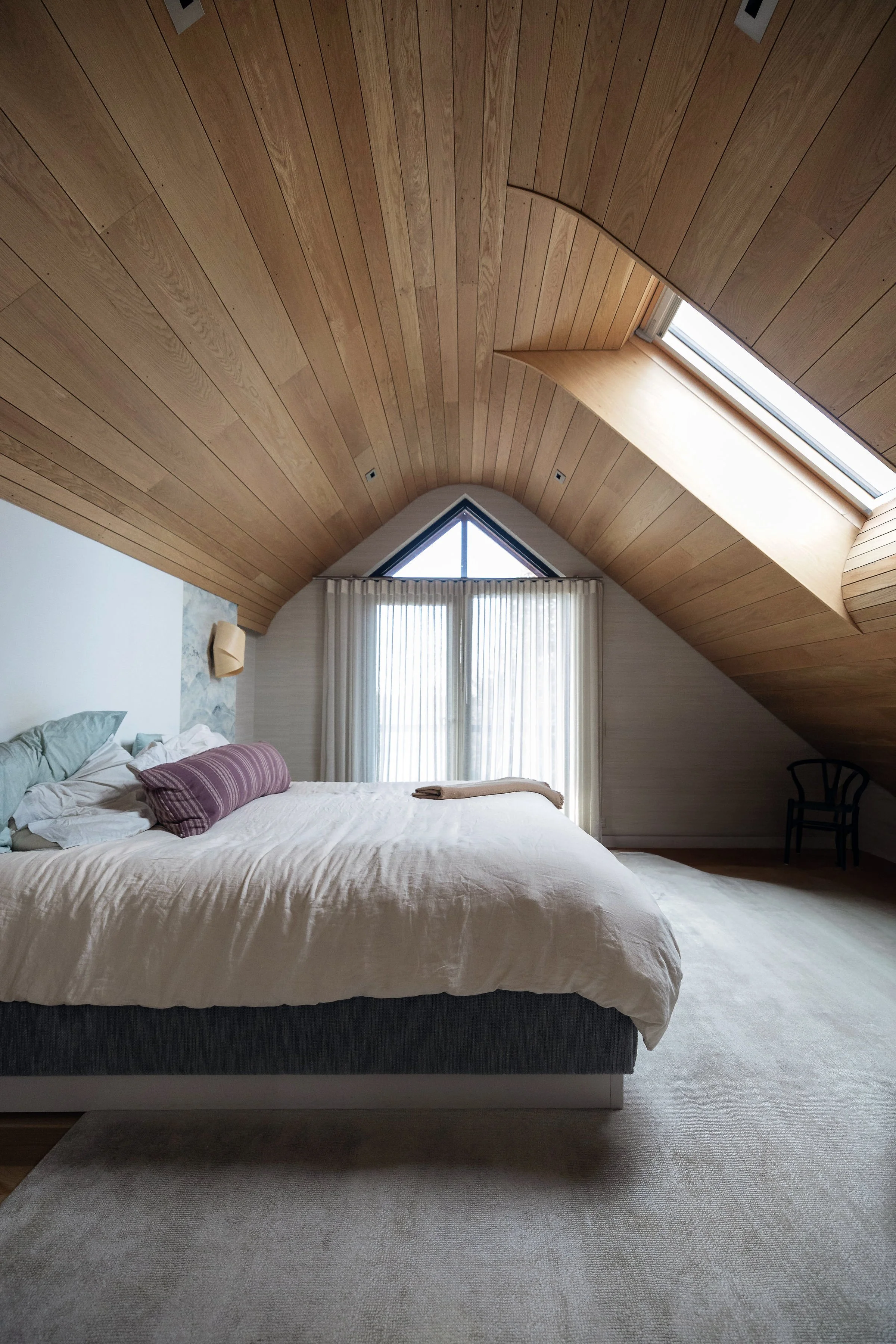
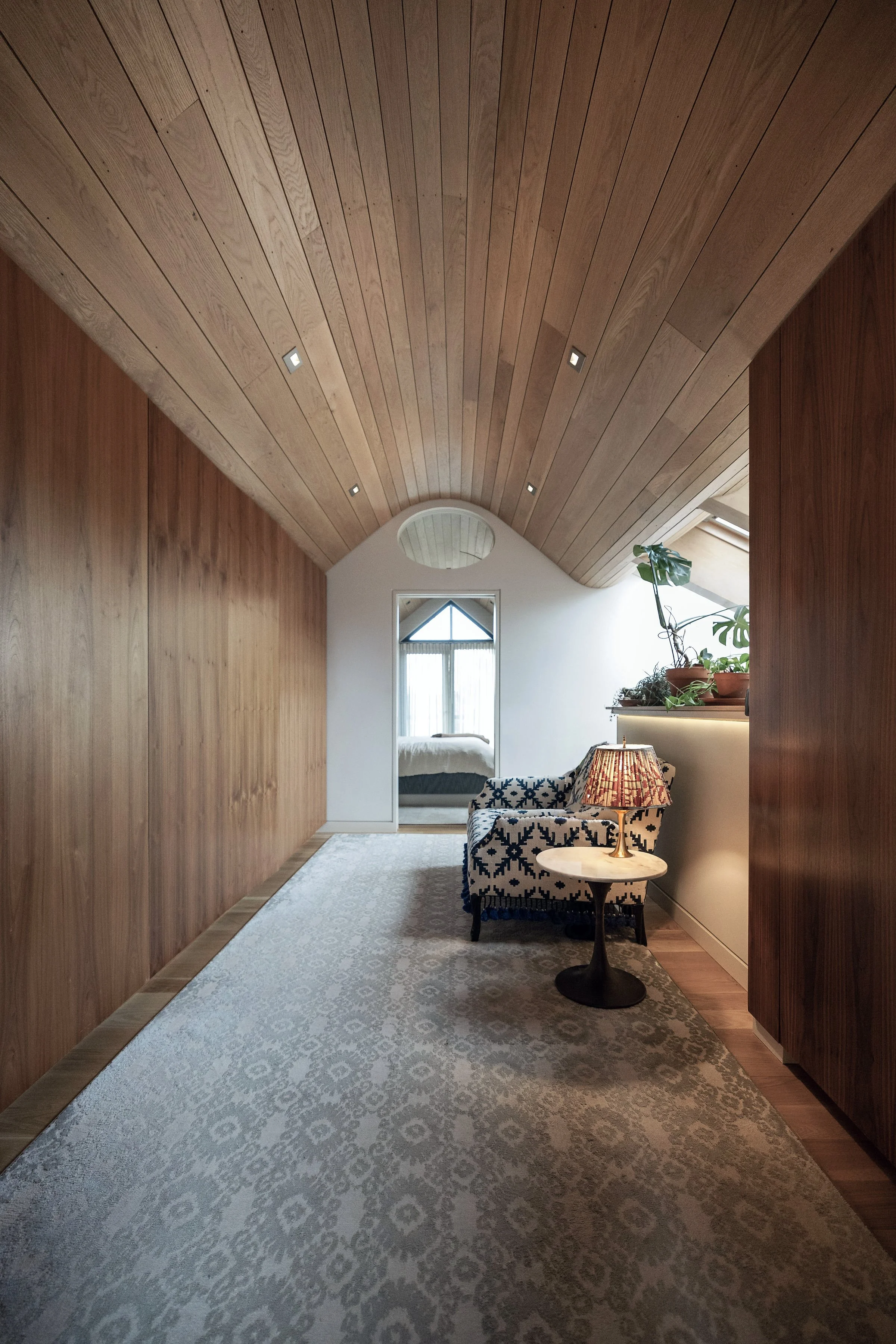
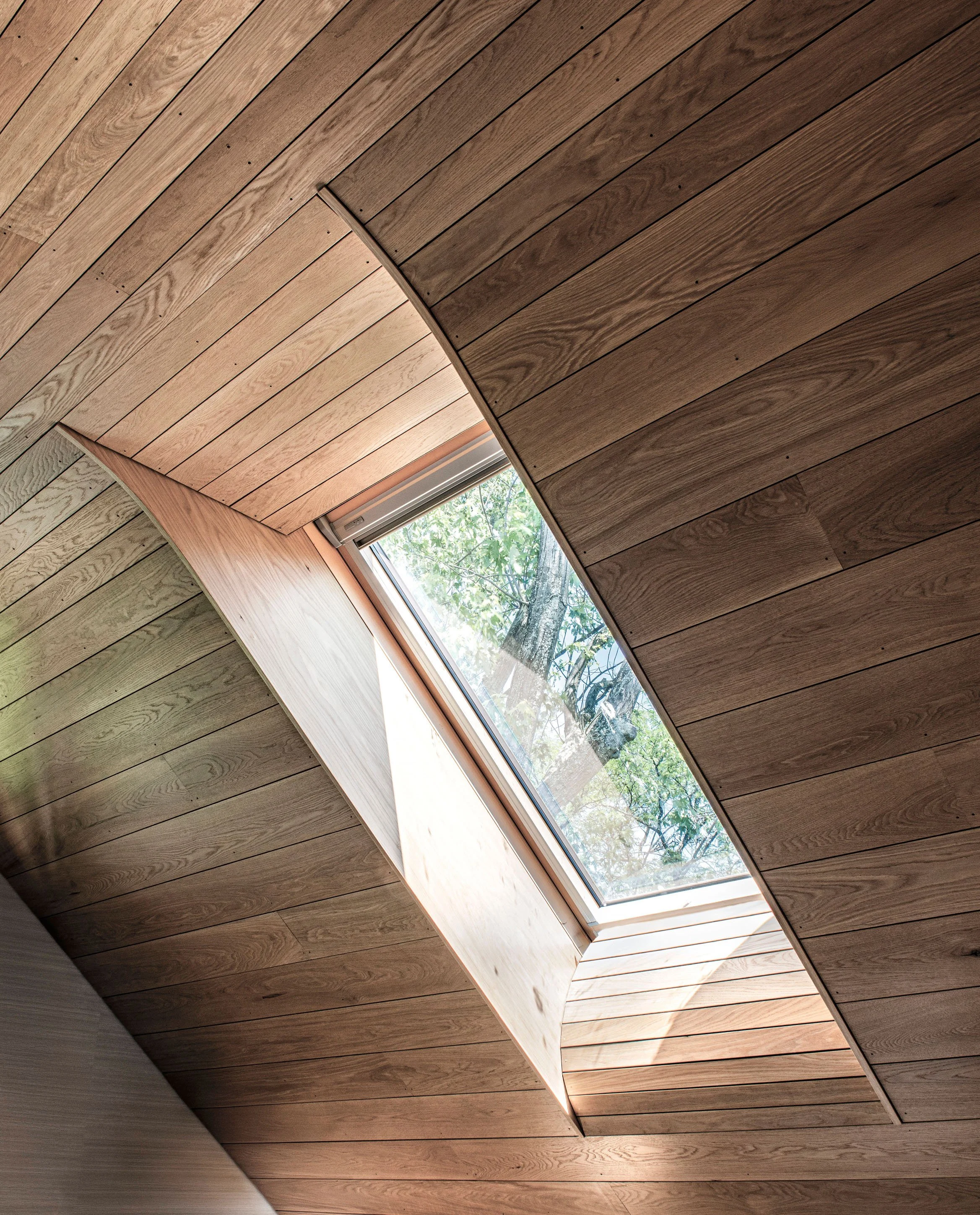
The team was creative and yet detail oriented. We routinely get compliments on our beautiful entranceway, dramatic stairs and plant filled sky lights. We recommend Group Design Build if you are interested in beautiful, sustainable architecture!
Nicole B.
PROJECT PHOTOS