
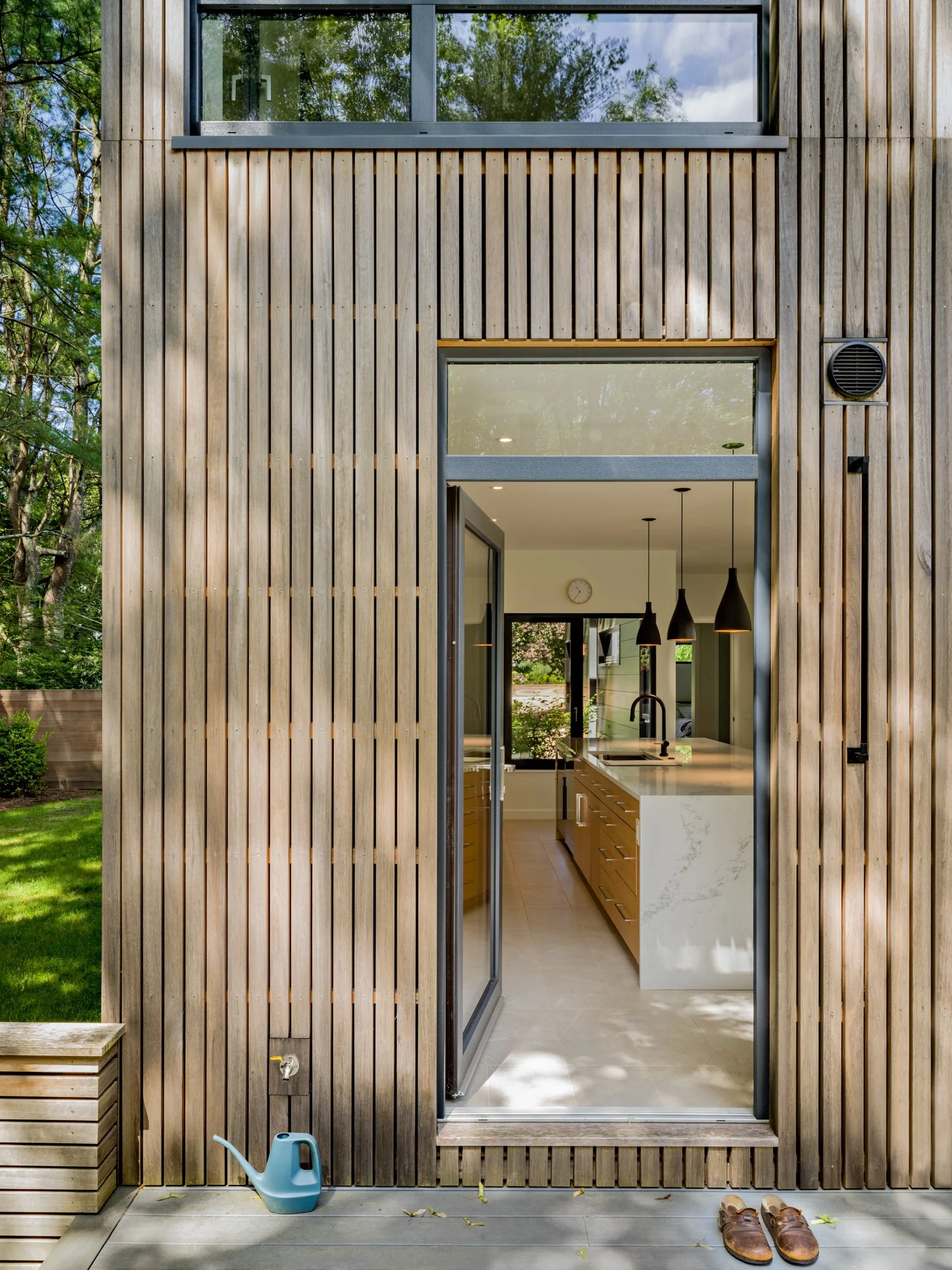
Learn about
Group design build
Our mission is to create lasting structures that contribute to our shared cultural fabric—rooted in context while adding something new that gives more than it took to create.

Meet the Founder
Marcelo Tagore
Tagore is a thoughtful and reliable presence throughout the building process. He brings a practical understanding of construction, coordination, and communication, helping transform design goals into homes that are carefully and beautifully built.
At Group Design Build, Tagore supports projects with patience, attention to detail, and a steady focus on the client experience. His work reflects GDB’s belief that successful projects depend not only on good design, but on trust, communication, and follow-through.
-
Group Design Build was founded to make high-performance, well-designed buildings beautiful and practical. Our firm is particularly focused on helping owners create grid-independent or grid-resilient buildings for power and water.
By integrating design and construction into a single accountable team, we give owners, architects, and developers clearer choices, fewer surprises, and buildings that perform as well as they look. The best outcomes come from a process that balances design intent, durability, cost, and craft—and carries that intent all the way through construction.Group Design Build brings a hands-on, maker-driven approach, grounded in real details and dependable assemblies. Client’s experience is steady and clear—we keep complex projects moving by listening carefully, communicating directly, and solving problems early.
-
We believe trust is built through transparency: honest budgets, realistic sequencing, and clear responsibility.
Our research guides us toward products, methods, and sourcing strategies that balance carbon emissions and sequestration, with a preference for regional and native materials whenever feasible.
We don’t sell features—we build integrated systems that reduce risk, protect the structure, and quietly lower operating costs for generations. Our work is grounded as firmly in the needs of people as it is in the environmental and economic realities that shape the marketplace.
-
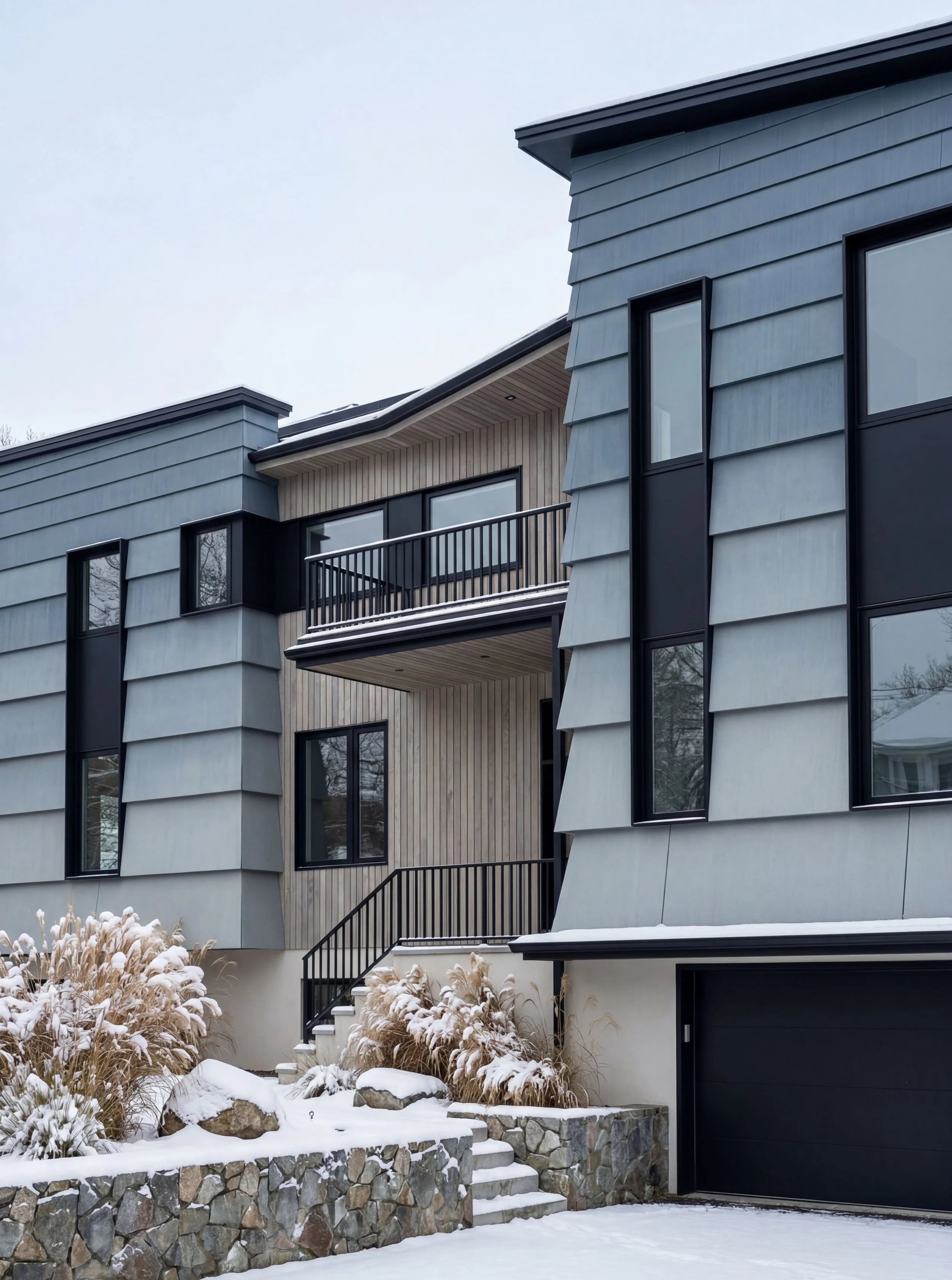
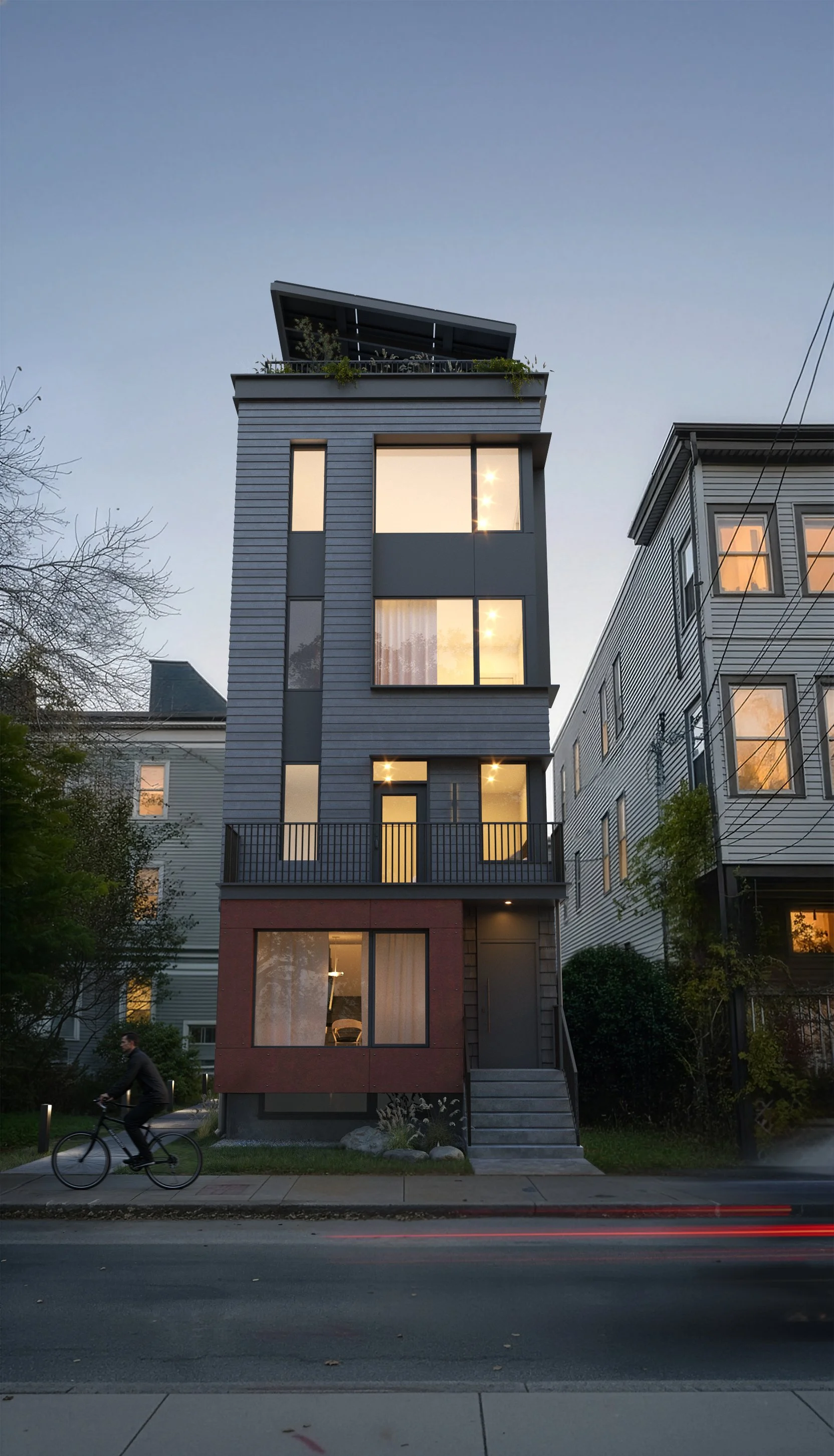
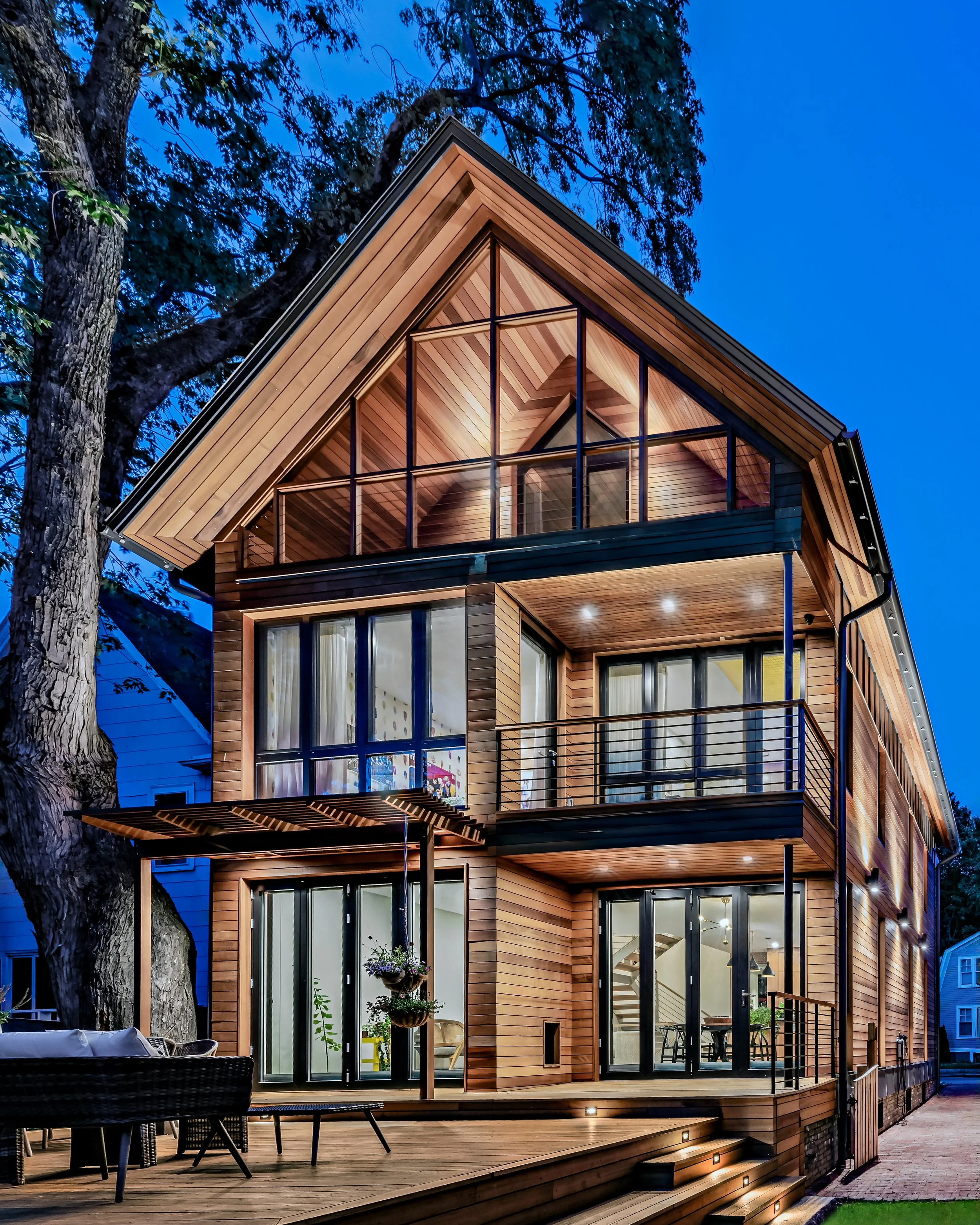
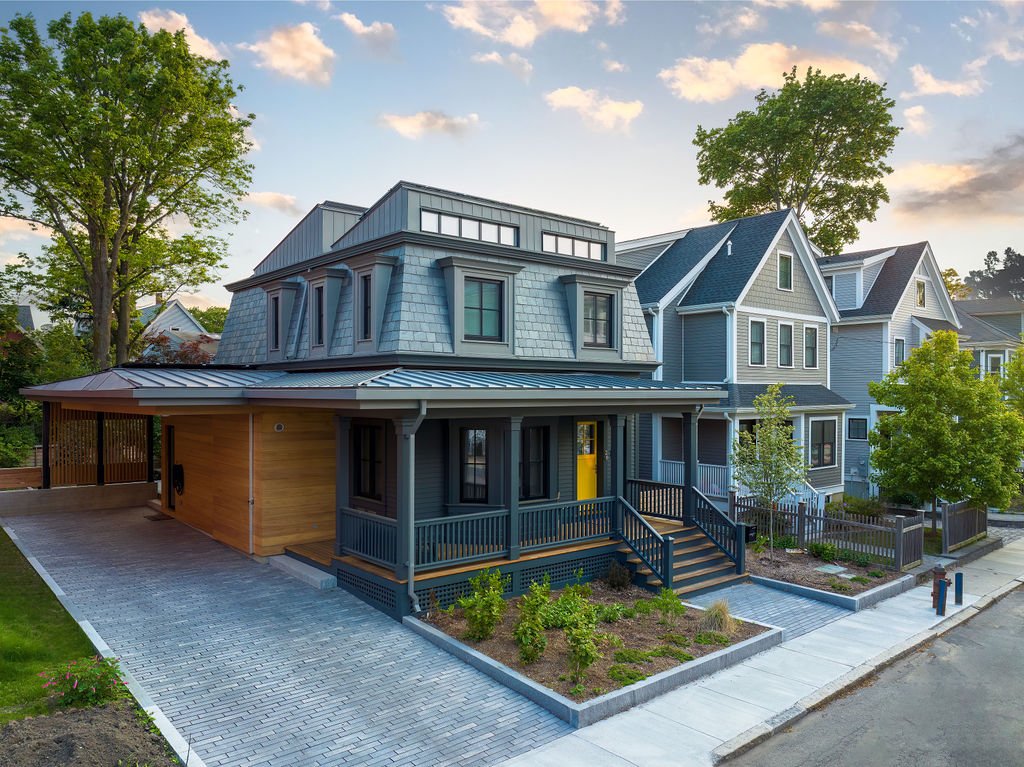
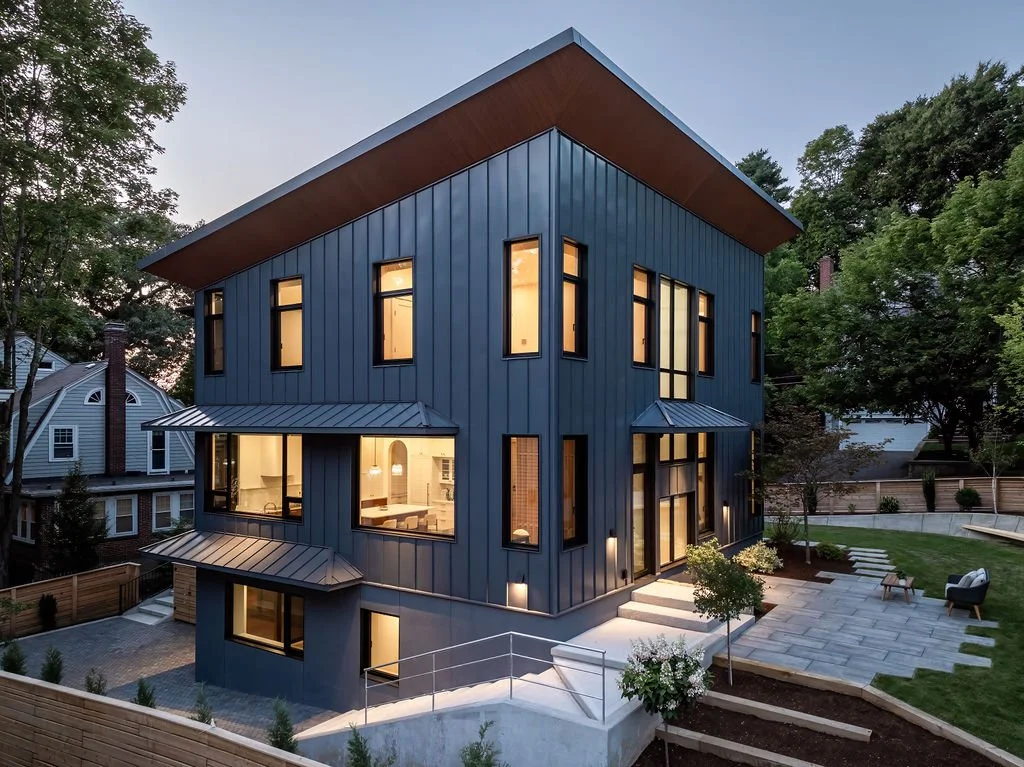
Group Design Build delivers architect-led design-build services, with a focus on complex urban infill and high-performance structures, including Passive House and net-zero/net-positive buildings. We work on constrained sites and manage zoning, historic review, groundwater, tight lot lines, and advanced energy systems. Our projects include single-family and multi-family structures built with high-performance enclosures, all-electric systems, integrated solar, and rainwater harvest systems.
The firm’s experience originates in the healthcare, biotech, and urban planning sectors, where coordination, regulatory navigation, and technical rigor are essential. That background informs our residential work, bringing disciplined project management, systems thinking, and performance-driven design to each project.
-
An architect-led design-build approach unites design, cost management, and construction under one coordinated team from the start. Rather than separating architect and builder into different contracts, the same team that develops the design is responsible for building it. This allows layout, materials, structure, and systems to be evaluated in real time for cost, constructability, and performance. Budget feedback happens early, reducing surprises and improving accuracy while shortening timelines.
For a homeowner, this provides clarity and accountability with a single point of responsibility. There are fewer gaps between drawings and construction, greater transparency around how decisions affect upfront and long-term costs, and stronger control over schedule. Because design and construction are integrated, durability, energy performance, and comfort can be prioritized without losing budget discipline—resulting in a home that is thoughtfully designed and consistently executed from concept through completion.
-
Our firm is uniquely positioned to operate as a design-forward General Contractor, providing preconstruction and building services for clients and architects seeking a more thoughtful, discerning builder.
We approach collaboration through design-driven problem solving—not binary, cost-cutting value engineering. We’re particularly adept at translating architectural intent into high-performance assemblies, including Passive House and net-positive-ready systems, while staying faithful to the original design across projects ranging from $400 to $1,200 per square foot.
Where many contractors default to standard methods and fixed assumptions, we continuously evaluate assemblies on each project—looking for smarter, often simpler solutions. What may appear complex or costly on paper is frequently resolved through an integrated design-build lens that aligns performance, constructability, and design integrity.
-
Our firm has contributed to several million square feet of design over the past 20 years, and for the last 12 years, we’ve taken direct responsibility for delivering projects—managing budgets, schedules, and construction risk.
This experience positions us to help developers plan and execute smart, efficient, and high-value assets. We bring an integrated team of consultants capable of successfully delivering projects ranging from 3 to 30 units.
-
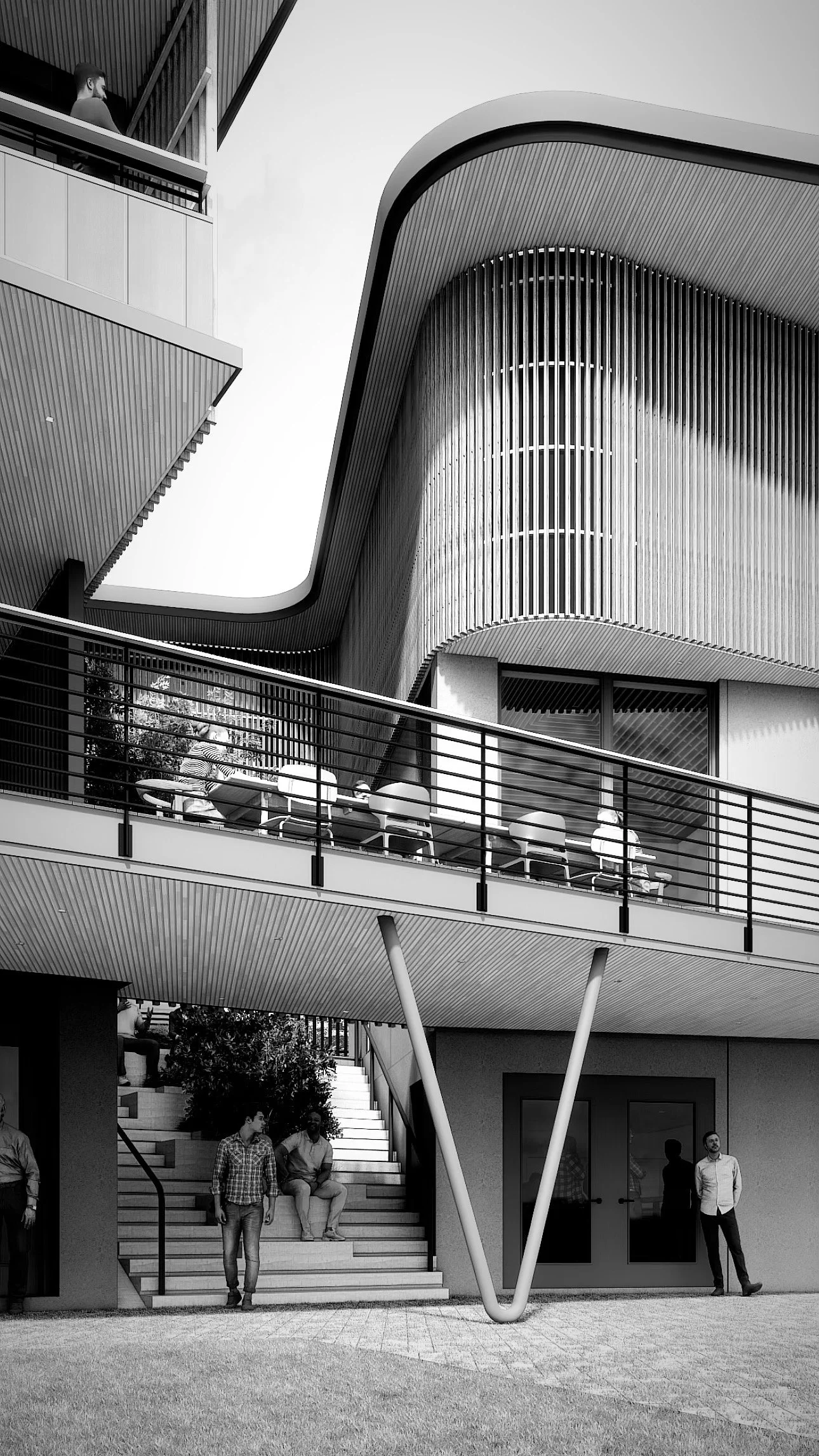
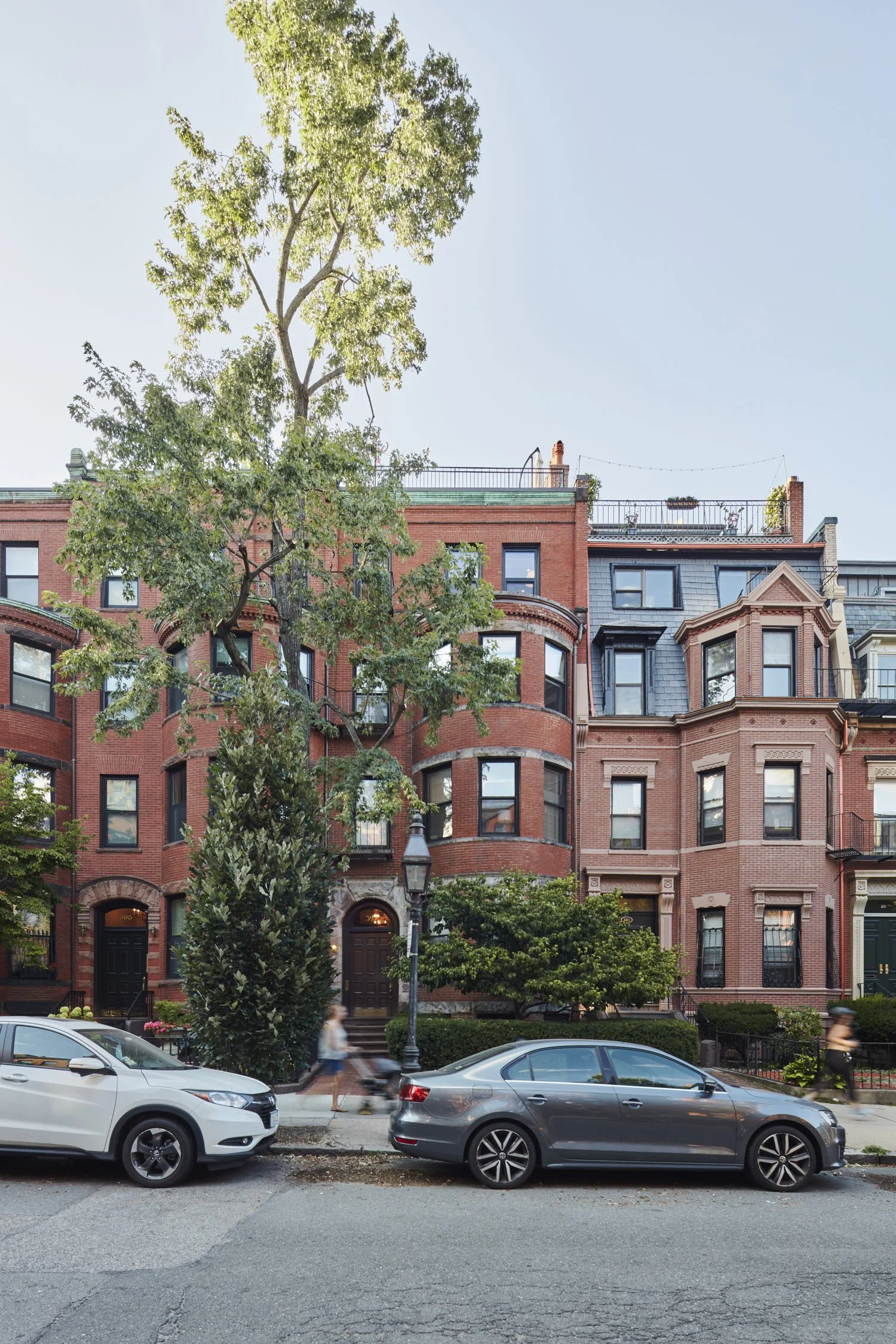
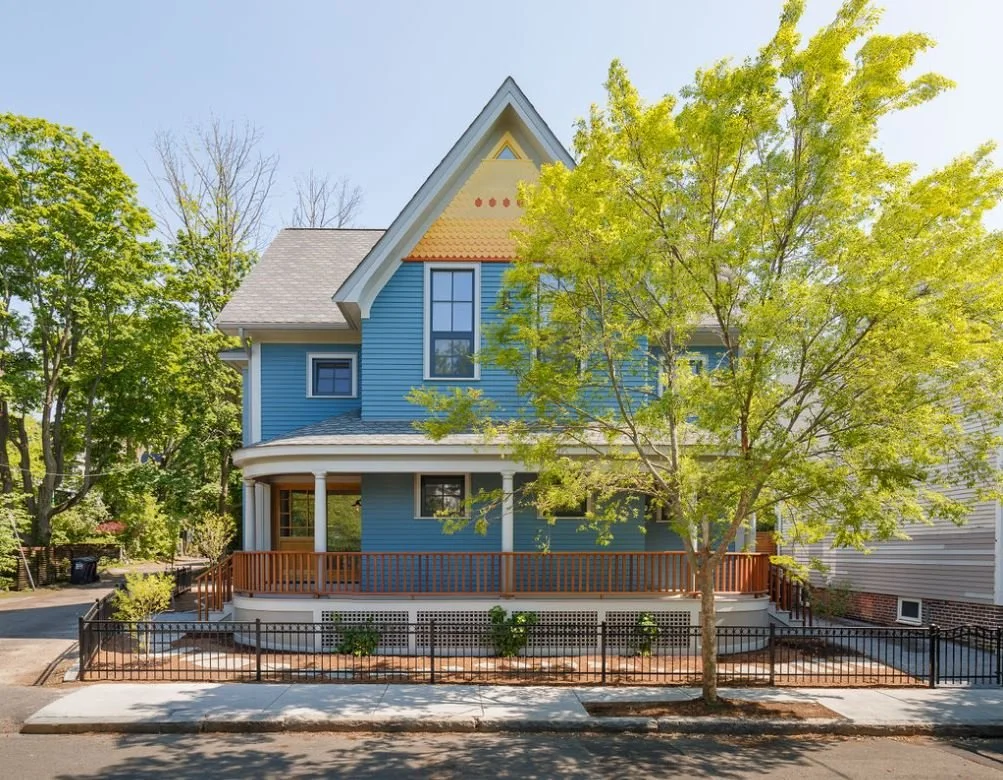
Our work spans new construction, additions, and renovations, ranging from modest residential projects to historic restorations and large-scale multifamily development. We have experience with ground-up single-family homes, two-family urban infill, adaptive reuse, and context-sensitive projects requiring coordination with local review boards. Across scales, we manage site planning, building envelope design, structural coordination, and high-performance systems integration to ensure each project is technically sound and appropriately detailed for its setting.
-
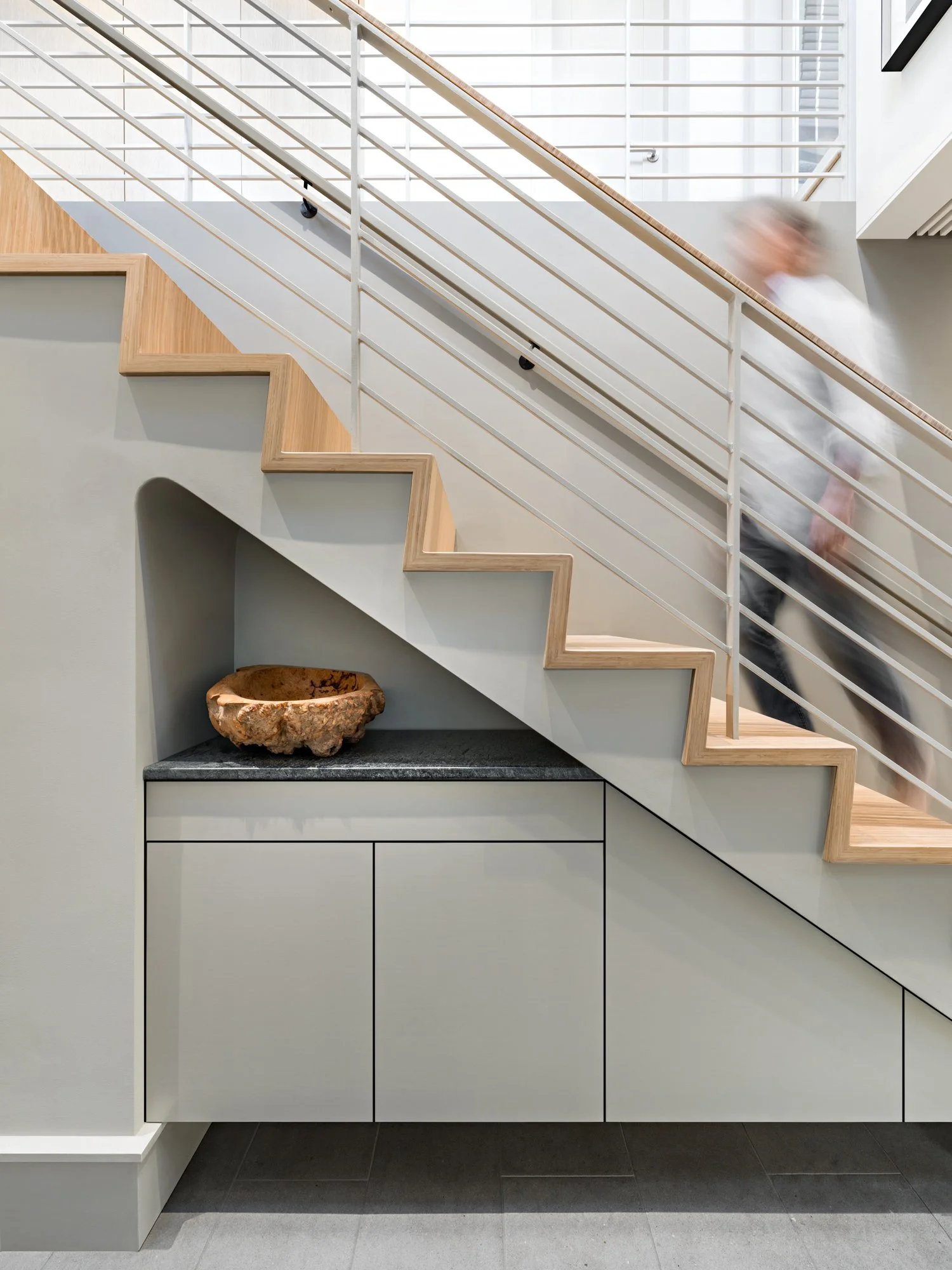
Our dedicated maker space enables us to produce custom assemblies in-house—work that is often too costly or difficult to outsource. By fabricating select components ourselves, we maintain tighter control over quality, tolerances, and sequencing while reducing markups and lead-time uncertainty. This capability is particularly valuable for one-off details, integrated structural elements, specialty millwork, and performance-driven assemblies that require precision.
The space also allows us to prototype and refine details before they reach the job site. We can test connections, mock up envelope transitions, and coordinate complex junctions in advance, improving constructability and minimizing field adjustments. Prefabricating architectural elements off-site increases efficiency, reduces on-site labor exposure, and supports more predictable scheduling—especially on constrained urban projects where staging and access are limited.
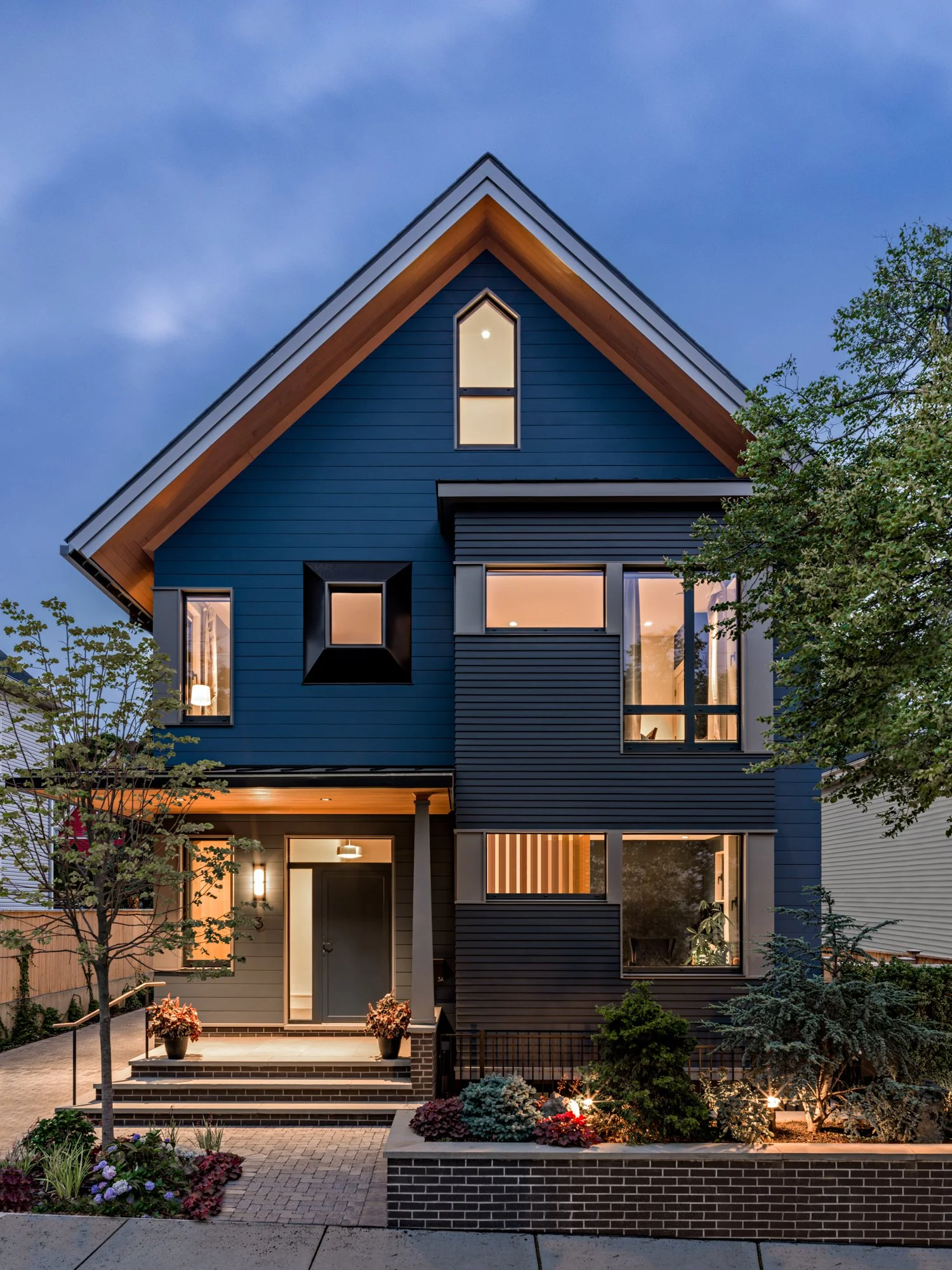
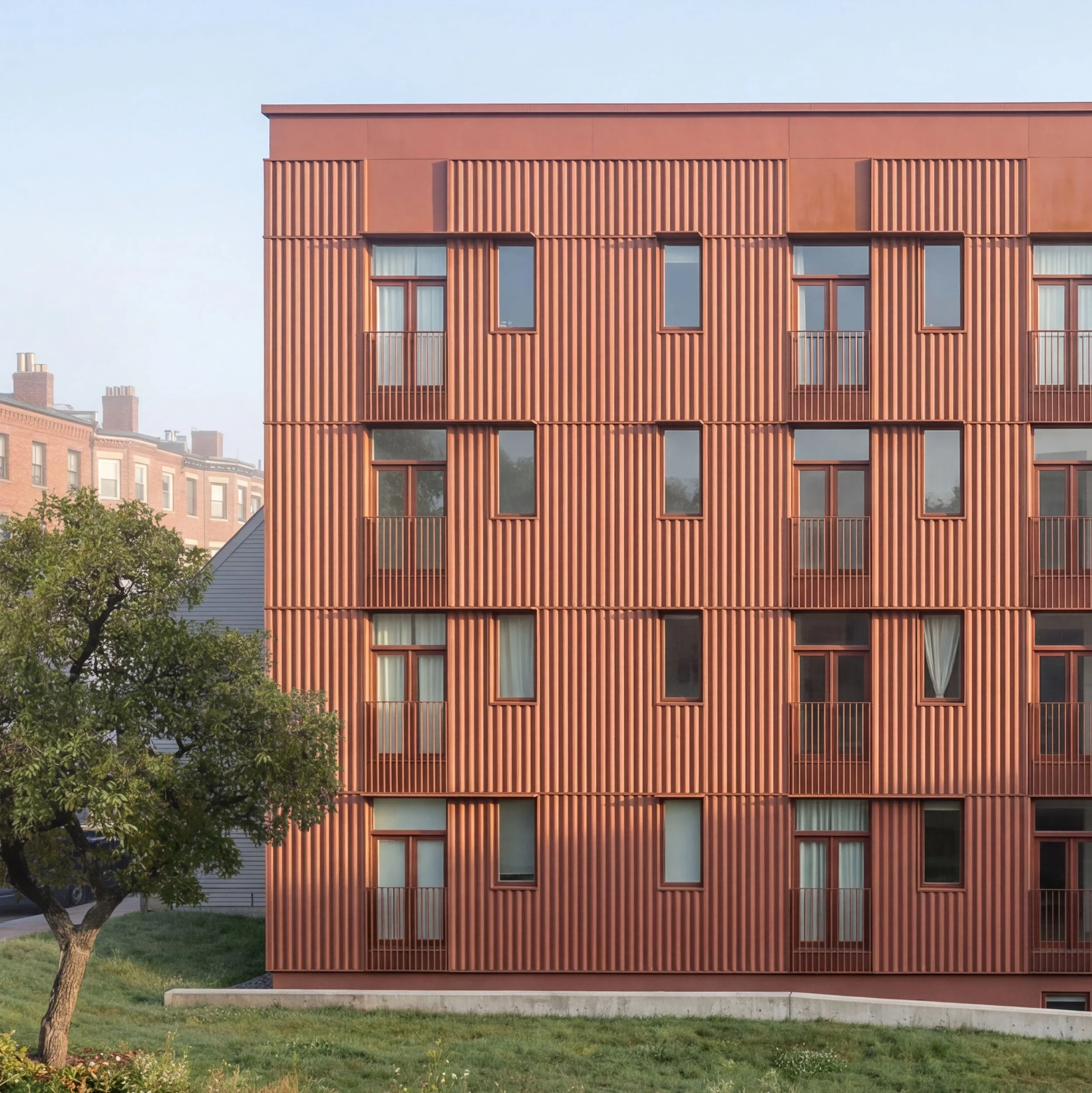
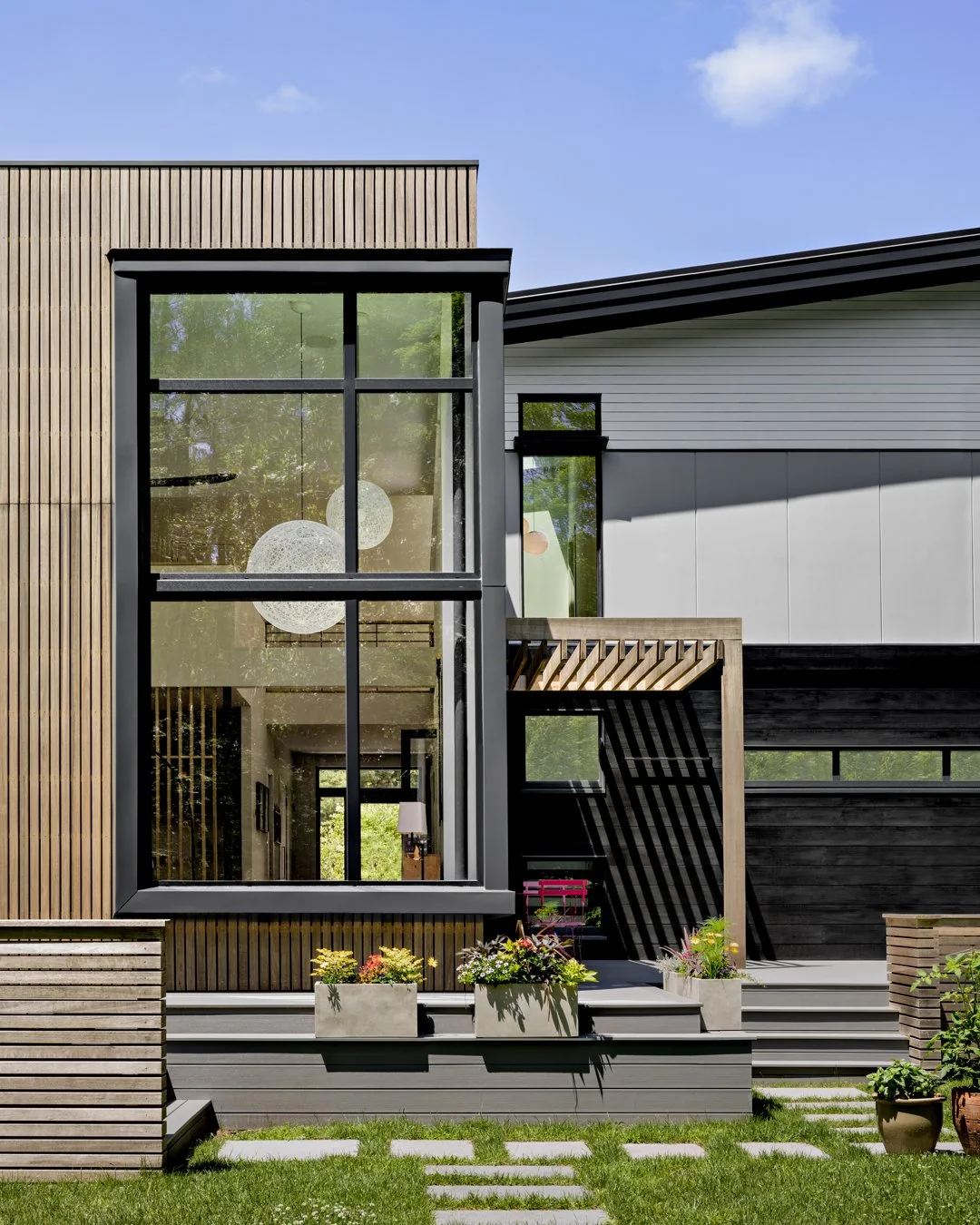
INTERESTED IN WORKING TOGETHER?